
Chief Zogli looked weary as he scratched a notch in his doorpost to record the weather. “Still no rain,” he says with resignation. The chickens pecked lazily in the dust and the goats foraged for the last of the dropped grains beneath the emptying corn crib. In this rural community outside of Odumase-Krobo, Ghana, the farmers depend on rainfall as their only source of agricultural water. Zogli explains that the rainy season has been arriving later each year and ending sooner—and the thirsty crops struggle to mature.
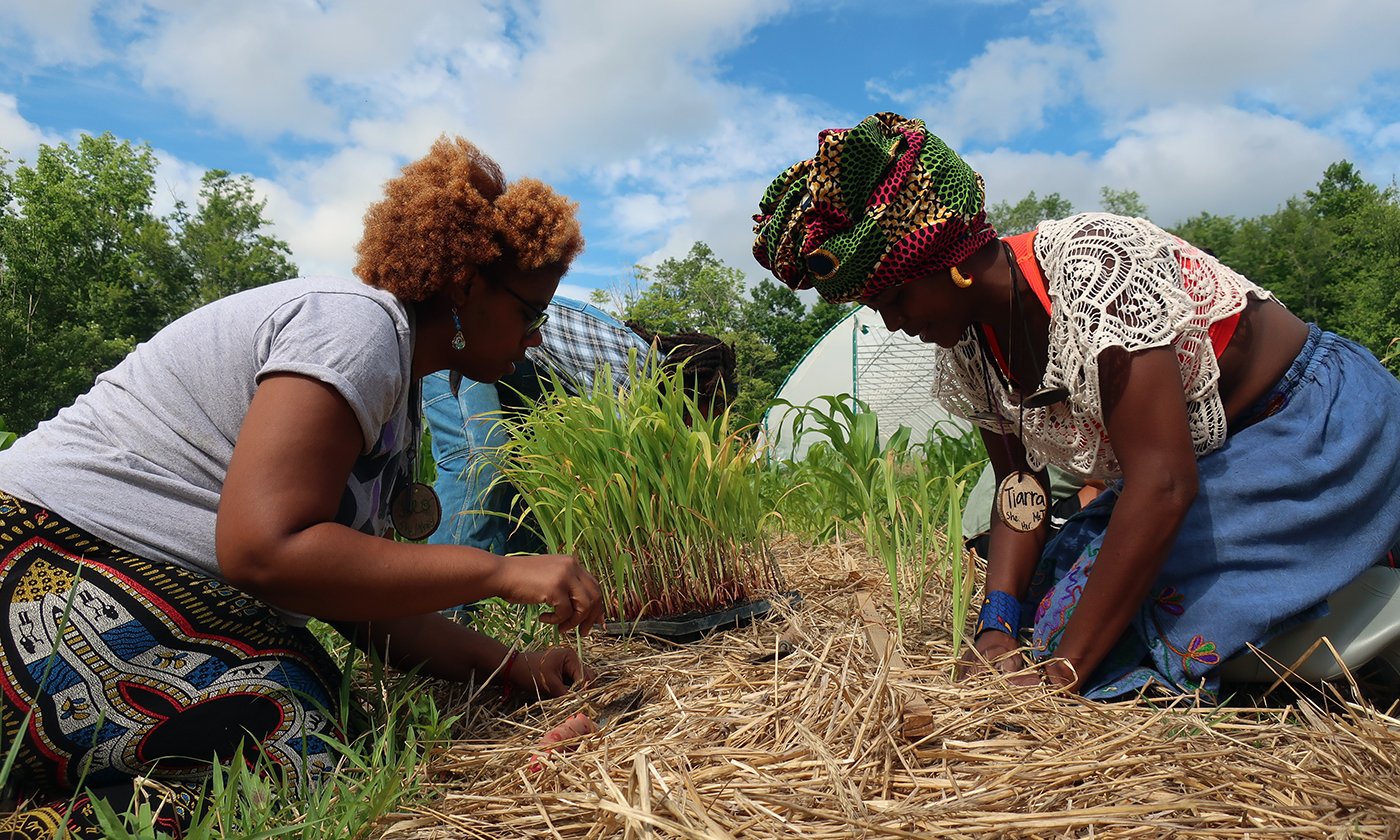 |
| At Soul Fire Farm, a BIPOC-centered community farm, farmers learn regenerative methods such as heavy mulching and intercropping. |
From the African continent to the Americas and across the Caribbean, communities of color are on the front lines of and disproportionately harmed by climate change. Record heat waves have caused injury and death among Latinx farmworkers and devastating hurricanes have become regular annual visitors in the Caribbean islands and coastal areas of the U.S.
Meanwhile, several Alaskan Native communities struggle to hunt and fish in their traditional ways because rising temperatures are ravaging the wildlife. And sub-Saharan Africa, where Ghana is located, is among the regions projected to experience the harshest impacts of climate change. “If you’re not affected by climate change today, that itself is a privilege,” climate activist Andrea Manning says.
Read the story from Yes! Magazine by Leah Penniman - “Black Farmers Embrace Practices of Climate Resiliency.”

No comments:
Post a Comment