Showing posts with label climate negotiations. Show all posts

02 April, 2020

Cop26 climate talks in Glasgow postponed until 2021

The UN climate talks due to be held in Glasgow later this year have been postponed as governments around the world struggle to halt the spread of coronavirus.
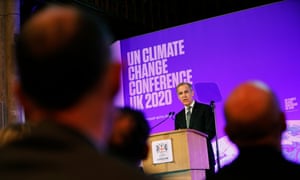
Mark Carney speaks
Mark Carney, the ex-Bank of England
governor and now Cop26 finance adviser
to the prime minister, launches the
 private finance agenda for the talks in London.
The most important climate negotiations since the Paris agreement in 2015 were scheduled to take place this November to put countries back on track to avoid climate breakdown. They will now be pushed back to 2021.
A statement from the UN on Wednesday night confirmed that the meeting of over 26,000 attendees would be delayed until next year. It said new dates for the conference would be decided in due course.
The UK energy minister and president of the Cop26 conference, Alok Sharma, held crunch talks with the UN and several other countries on Wednesday evening to confirm the timing of the summit. “The world is currently facing an unprecedented global challenge and countries are rightly focusing their efforts on saving lives and fighting Covid-19. That is why we have decided to reschedule Cop26,” he said.

Read the story from The Guardian by Jillian Ambrose and Fiona Harvey - “Cop26 climate talks in Glasgow postponed until 2021.”

05 December, 2019

Global emissions to hit 36.8 billion tonnes, beating last year’s record high

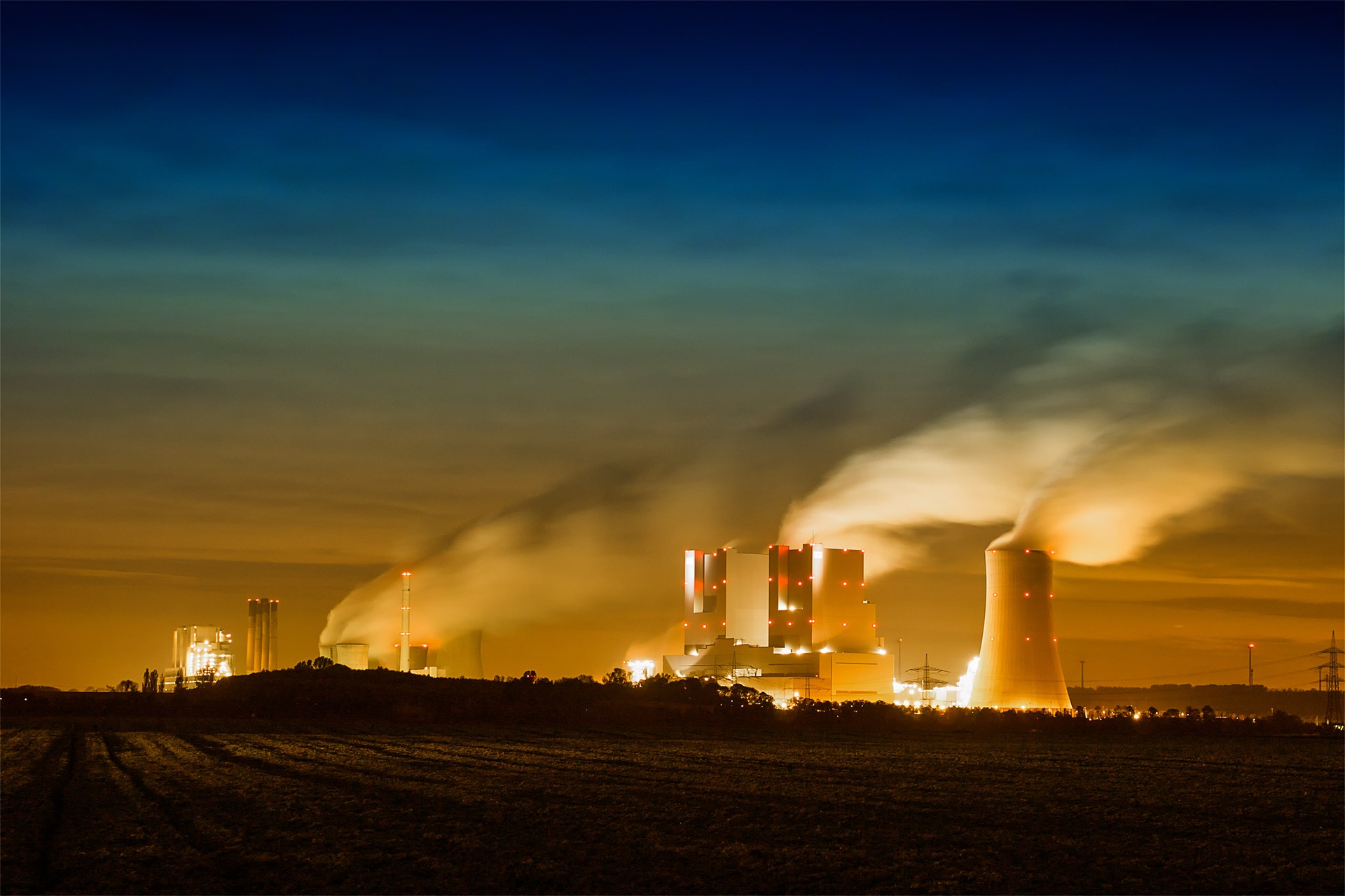
Global emissions for 2019 are predicted to hit 36.8 billion tonnes of carbon dioxide (CO), setting yet another all-time record. This disturbing result means emissions have grown by 62% since international climate negotiations began in 1990 to address the problem.
Image result for Global emissions to hit 36.8 billion tonnes, beating last year’s record high
Coal emissions are falling, but gas and coal
 use are strongly rising around the world.
The figures are contained in the Global Carbon Project, which today released its 14th Global Carbon Budget
Digging into the numbers, however, reveals a silver lining. While overall carbon emissions continue to rise, the rate of growth is about two-thirds lower than in the previous two years.
Driving this slower growth is an extraordinary decline in coal emissions, particularly in the United States and Europe, and growth in renewable energy globally. 

19 January, 2019

Saving the Paris Agreement

During the United Nations climate negotiations in Katowice, Poland, in December, the cavernous modern convention center at the heart of this grim industrial city was like a spaceship in coal country. Outside, the air was so sulfurous and polluted it gave at least one negotiator a nosebleed as they walked from their hotel to the conference center.
US President Donald Trump holds up a "Trump Digs Coal"
 sign as he arrives to speak during a Make America Great
Again Rally at Big Sandy Superstore Arena in Huntington,
West Virginia, August 3, 2017.
Katowice is the coal capital of the European Union, where hills are hollowed out with mines and the livelihoods of some 90,000 workers are dependent on what the Polish prime minister has called “black gold.” Inside the center, thousands of climate negotiators in dark suits — many of whom had likely never seen a chunk of coal in their lives — scurried down echoing hallways and engaged in long meetings about arcane differences in the language of a document designed to stop the world from burning fossil fuels and save civilization from itself. For 23 years now, climate negotiators have been holding meetings like this, producing millions of hours of talk and millions of pages of documents. And for 23 years, the world has edged closer to climate catastrophe. In Katowice, that failure was apparent with every breath you took.


Read the story from Rolling Stone by Jeff Goodell - “Saving the Paris Agreement.”

24 April, 2016

Climate change is imminent public health threat


‘The World Health Organization and a vast network of doctors and nurses calls for a climate deal to emphasize the danger to human health’

An international alliance of doctors, nurses and other health professionals concerned about the impacts of climate change is urging governments to reach a strong agreement at the ongoing United Nations' climate negotiations in Paris.

Declarations of a global medical consensus on climate change signed by 1,700 health organizations, 8,200 hospitals and health facilities and 13 million health professionals were released Saturday at the United Nations Climate Change Conference.

The declarations, which include the first ever "call to action" on climate change by the World Health Organization, represent a shift in public opinion that brings concern over climate change further into the mainstream, campaign organizers said.

"Climate change, and all of its dire consequences for health, should be at centre-stage, right now, whenever talk turns to the future of human civilizations. After all, that's what's at stake," said Margaret Chan, director-general of the World Health Organization.

12 June, 2015

Bonn confernce over, Australia's pollution targets examined for credibility


T

he latest round of Bonn climate negotiations has concluded with modest progress being made on the Paris agreement for the end of the year, The Climate Institute reports.

Eyes now turn more sharply to the credibility of Australia’s new post-2020 pollution target to be announced in July, The Climate Institute said today as it released a guide to Australia’s upcoming post-2020 pollution reduction targets.

“Climate negotiations are difficult because international frameworks put pressure on countries to take more action at home,” said, Deputy CEO of The Climate Institute, Erwin Jackson from Bonn, Germany.

“Hours of challenging work on refining the draft Paris agreement has made modest progress, and at the next meeting in August countries will have a more streamlined draft agreement for the final run into the Paris summit at the end of the year.”

The end of year Paris meeting aims to forge an agreement which creates an expectation that all countries will ratchet up action to help limit average global warming to less than 2 degrees Celsius (2°C) above pre-industrial levels.