
On a cold, wet afternoon in February 2014, Andrew Mathews stood on a mountain in Tuscany and looked out over the valley below. An environmental anthropologist and a professor at the University of California, Santa Cruz, Mathews had gone there to see chestnut forests that were growing in the Monti Pisani, a mountainous region west of Florence, Italy. The air smelled of rotting leaves, and many of the trees were hundreds of years old.
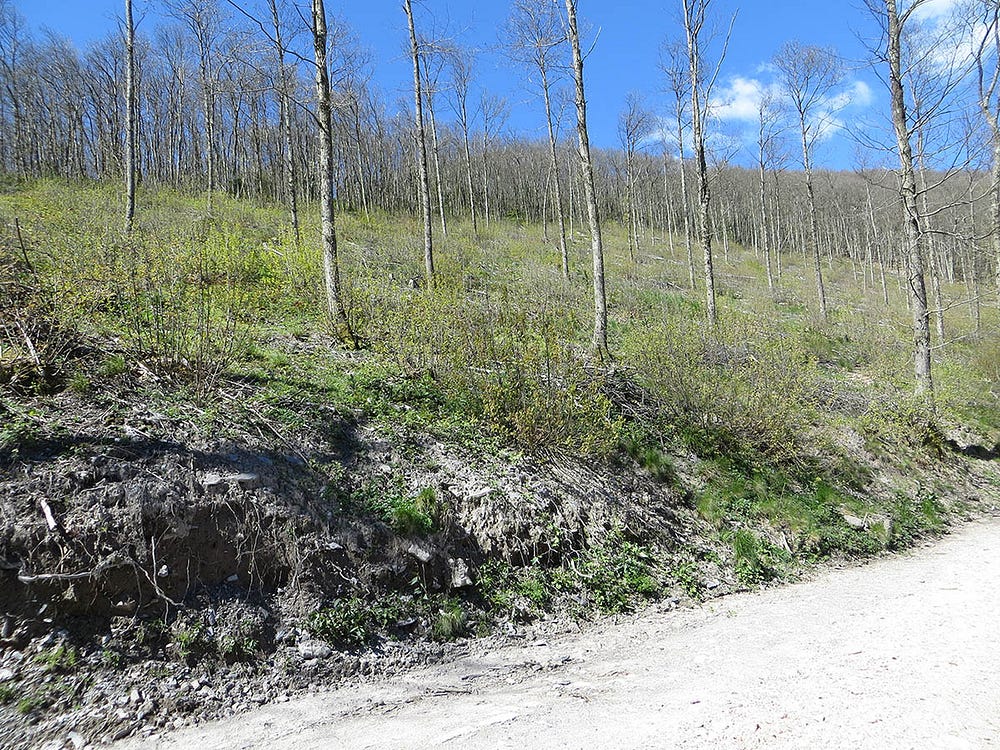 |
| These chestnut trees in the Monti Pisani were cut back two years before this photo was taken. The practice of coppicing helps create shorter trees that are less likely to fall over in high winds. |
“It wanted to be spring, but it wasn’t quite there,” Mathews recalled when we spoke, “and the leaves hadn’t really come in on the trees yet. Everything was still pretty bare.”
The chestnuts’ presence told a story of human history: For centuries, peasants in the region had harvested the nuts and cared for the trees. They would cut back branches and trunks, using the wood to heat their homes, and rake up leaf litter from the forest floor. In the early 1900s, chestnuts were a major food source for approximately half a million people in Italy, Mathews said.
Read the Sapiens story by Dana J. Graef - “Surviving Climate Change in Italy.”

No comments:
Post a Comment