
When I was an undergrad learning geology, the maxim that was thumped into me wasn’t how to build a mine or drill for oil and gas, it was simply: “The present is the key to the past.” The thing that took a while to accept was that the past was really, really, long.
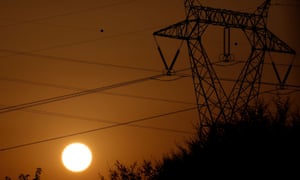 |
| The more heat-absorbing gases in the atmosphere, the greater the impact. It’s really not rocket science, simply Earth science. |
It’s hard to comprehend the scale of geologic time: the timespan for continents to crash together and rip apart, for tiny sea creatures to live, die and condense into kilometres of limestone, or streams to carve epic canyons carrying mountains to the sea. We use comparisons our minds can grasp, such as if all cosmological time was the length of string or compressed into a single year (humans beings appear in the final six hours).
But kids deal with billions of years without a problem – 64 billion is my son’s favourite number. So, when I explained geologic time to my children as we travelled to the last students’ climate rally in Melbourne, they got it: geologically, things happen slowly. And yes, there are exceptions, volcanoes, landslides, earthquakes, to name but a few, but I am talking about the fundamental processes: mountain building, sediment creating, climate changing kind of processes.
Read the opinion piece from The Guardian by Emma White - “Perhaps we need to explain climate change to politicians as we would to very small children.”

No comments:
Post a Comment