
Science does not blink. The special report issued by the IPCC in October 2018 is unequivocal in its warnings. We are out of time to take action to reduce fossil fuel emissions. We must engage in steep and immediate reductions in emissions if we are to keep the global average temperature from exceeding 2˚C by the early part of the second half of this century. The popular discourse about how many years we may have remaining to take this action is immaterial to whether we might achieve this. Given the current administration’s aggressive repression of science and the denial of the need to address this gravest threat to civilization since we wandered out of Africa, it is very unlikely that we will mount such a massive global effort with the necessary urgency.
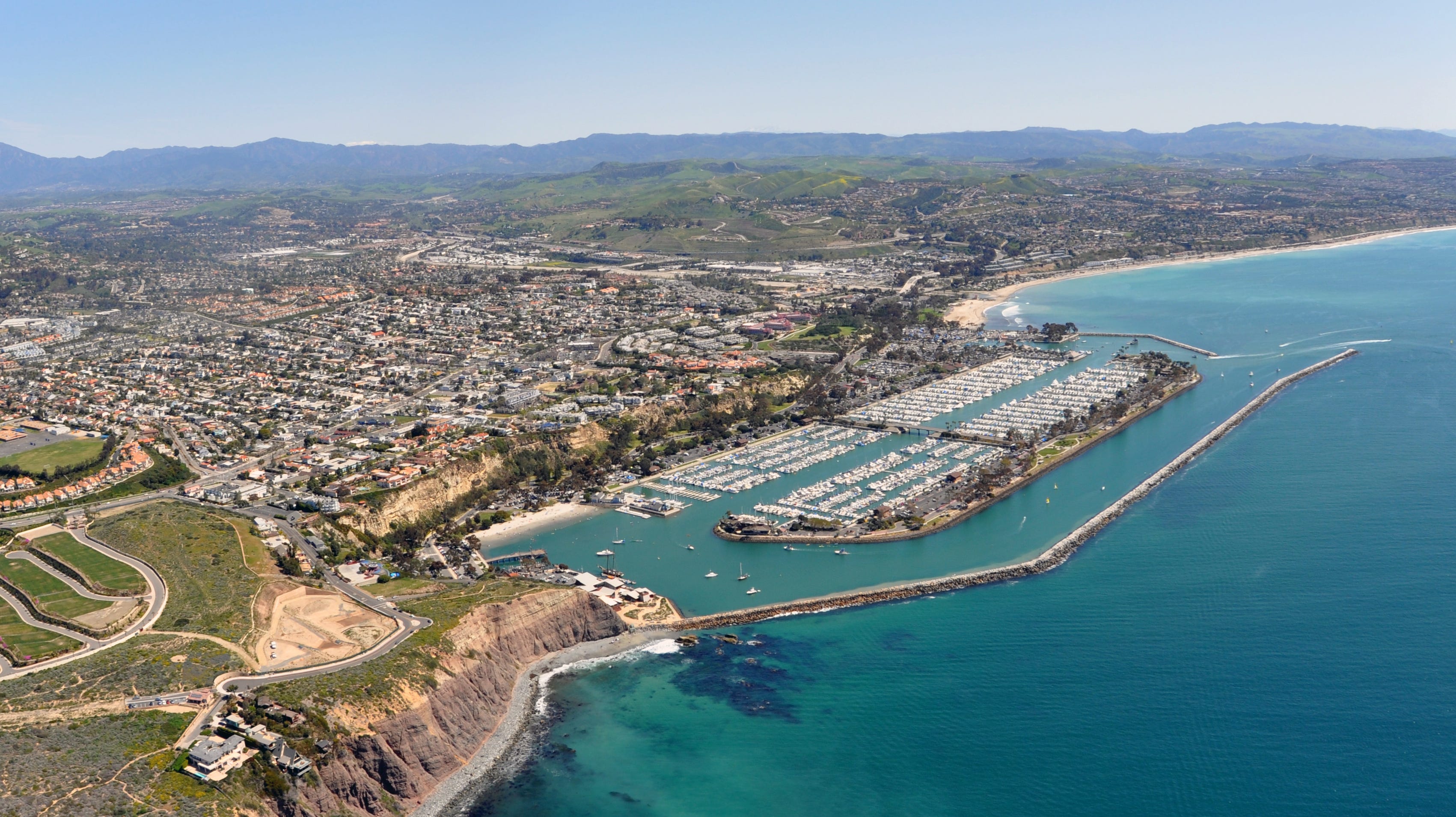 |
| Dana Point a coastal city in California which is now facing rapid sea level rise. |
But, certainly despair is premature. There are now many countries, mostly small ones, that are committed to zero carbon emissions in the near term. Despite political resistance by utilities and the fossil fuel lobby, renewable energy is developing rapidly in Europe and some states of the US. Innovation in grid management and power storage have removed the often ridiculous arguments that renewables are unreliable because wind and sunlight are intermittent. My colleagues point to progress in the largely commercial renewable energy sector and declare that we will be mostly carbon free by 2050.
Read the Medium story by Stephen Mulkey - “So, what do we do now that we know we are probably screwed?”

No comments:
Post a Comment