
For nearly 40 years, black coal has been mined at Myuna, an underground operation a short drive south-west of Newcastle. Each year about 2 million tonnes is dug up, dropped on to an overland conveyor and sent to the Eraring power plant next door to be burned.
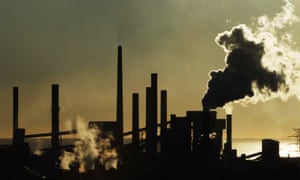 |
| The Port Kembla steelworks in New South Wales. The Coalition’s safeguards mechanism was intended to protect trade-exposed industries, such as steel and aluminium, while ensuring emissions did not increase, but its failure has raised serious questions. |
Although the New South Wales mine isn’t new, its operation under owner Centennial Coal has changed over the past couple of years, leading to a dramatic increase in greenhouse gas escaping its coal seams.
Emissions at the mine in 2017-18 were 65% above the government-agreed limit for the site. New data published just before Christmas show Centennial was also in breach last financial year, with carbon pollution at Myuna 47% above its limit.
In an era in which political battles are fought over how to meet climate targets, an emissions rise of this proportion – nearly half a million tonnes at one site over just a couple of years – is noteworthy. Along with similar examples at other industrial sites, including those owned by BHP, Chevron and a range of other fossil-fuel companies, it helps explain why official data says the Morrison government will fail to cut emissions to 5% below 2000 levels in 2020 as it claims.
Read the story from The Guardian by Adam Morton - “Smoke screen: how Australia's biggest polluters have been free to increase emissions.”

No comments:
Post a Comment