
When it comes to reducing the extent of bushfires, scientists disagree on the best way to do it. Hazard-reduction burning (also known as “prescribed burning” or “controlled burning”) is controversial and, depending on the scientific paper, it’s shown to either be effective or not work at all.
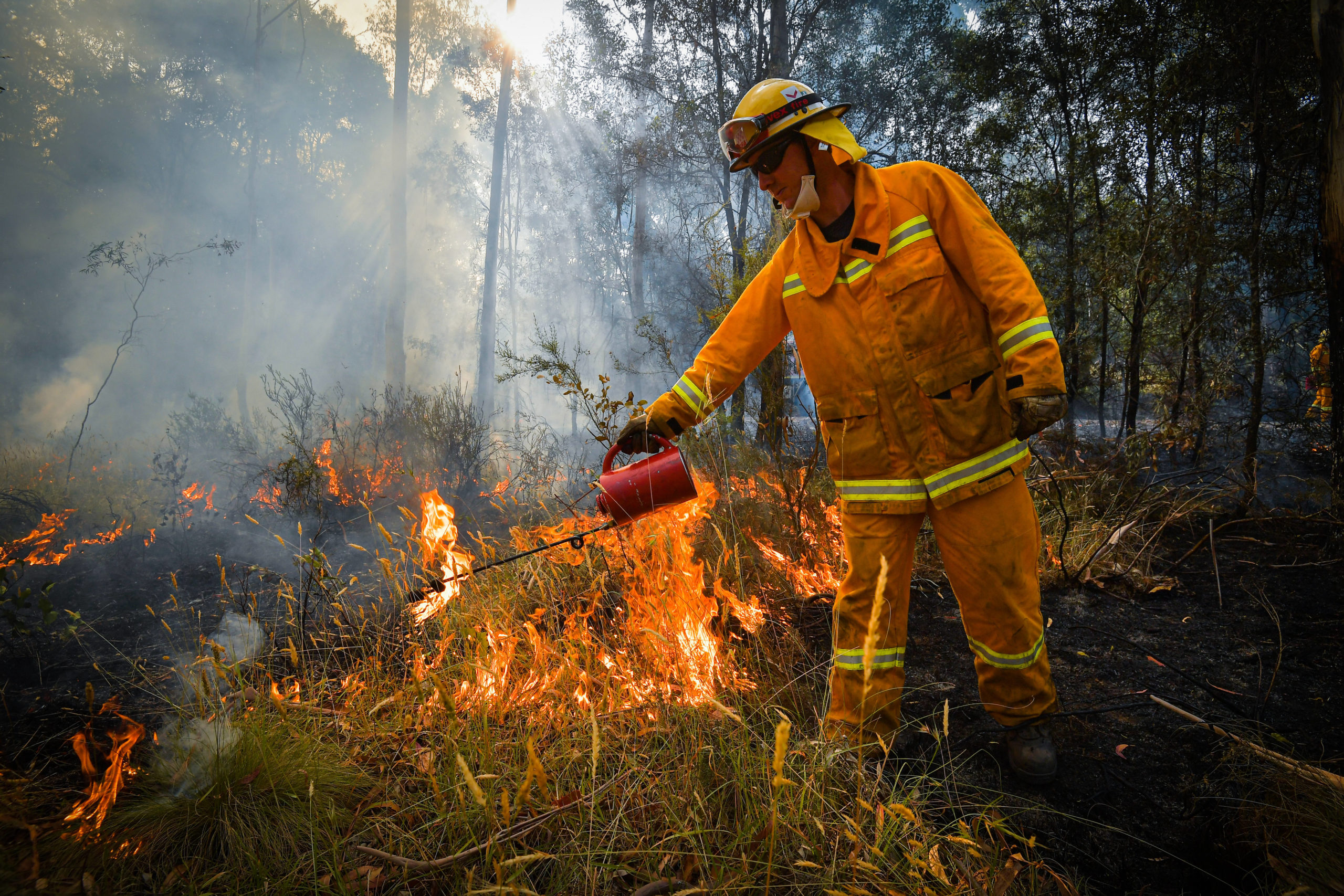 |
| When conditions are safe, the CFA burns vegetation to remove fuel which in turn mitigates fire risk. |
Hazard-reduction burning is the process of removing vegetation that would fuel a fire – the “hazard” – through burning, slashing or grazing. It’s one of the ways state governments try to prepare for looming bushfire seasons.
The Climate Council published a fact sheet in January this year titled “Setting the record straight on hazard reduction”. It concluded that, while important, in future “no amount of hazard reduction will protect human lives, animals and properties from catastrophic fires”.
But this is at odds with empirical studies in Victoria and Western Australia, which found otherwise, after taking a wider view on the issue.
Read the story from The Conversation by Kevin Tolhurst - “The burn legacy: why the science on hazard reduction is contested.

No comments:
Post a Comment