Showing posts with label David Keith. Show all posts

22 December, 2018

How One Climate Scientist Combats Threats and Misinformation From Chemtrail Conspiracists

Last spring, Harvard climate scientist David Keith announced that he and a colleague intended to proceed with small-scale geoengineering experiments in the real world (see “Harvard scientists moving ahead on plans for atmospheric geoengineering experiments”).
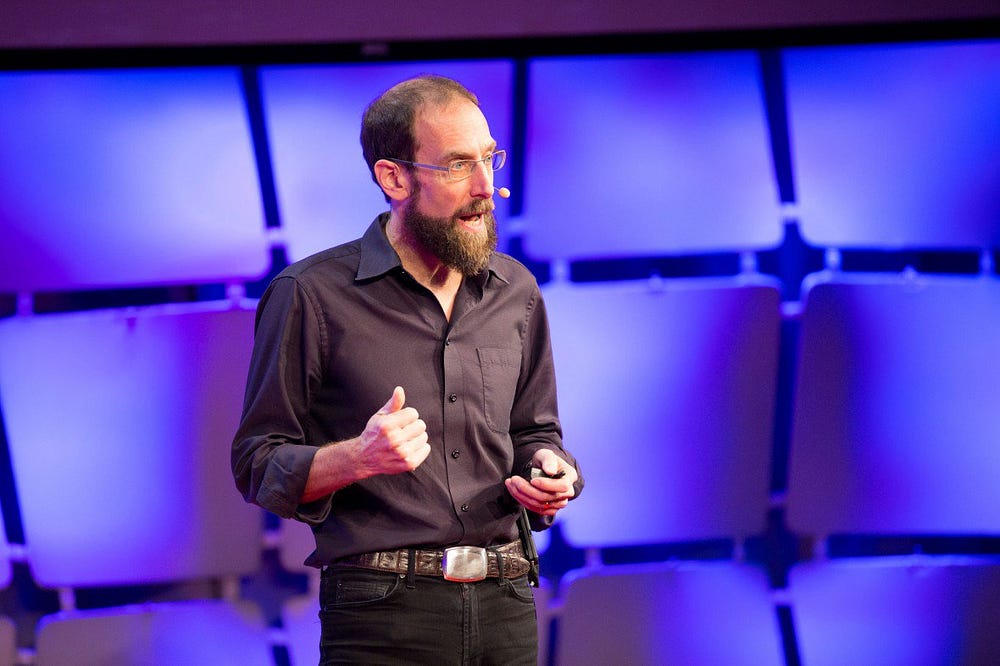
Harvard climate scientist David Keith.
The basic idea behind the technology they’re studying, known as solar geoengineering, is that spraying certain particles into the stratosphere could reflect enough heat back into space to offset some level of global warming. But the move from lab research to atmospheric experiments has sparked controversy.
Among other concerns, critics argue it’s far too dangerous to consider tinkering with the global climate system. But the field, and Keith’s research in particular, has also gotten ensnared in conspiracy theories about “chemtrails.” Proponents assert that the condensation trails created by aircraft are actually evidence that the military, or someone, is already spraying chemicals into the sky for wide-scale weather modification, mind control, or other nefarious purposes.


Read the Medium MIT Technology Review story by James Temple - “How One Climate Scientist Combats Threats and Misinformation From Chemtrail Conspiracists.”

29 May, 2016

Geoengineering - once you start, you can't stop

Many believe the world's climate
 change issues is this simple.
Many of the world's nations show few signs of cutting their greenhouse gas emissions anytime soon. That's why, in recent years, more and more climate scientists have been pondering the concept of "geoengineering" as a way to slow the pace of global warming.

One popular idea involves spraying reflective particles into the atmosphere to deflect a small portion of Earth's sunlight. Harvard scientist David Keith discussed the pros and cons of the idea at length in a recent interview.

Pros: It's cheap, easy, and could likely avert some of the worst impacts of global warming, like sea-level rise. Cons: It could have lots of unpredictable side effects, like mucking up global rainfall patterns. It's difficult to coordinate. And geoengineering does nothing to address other severe climate impacts, like ocean acidification.

Read The Washington Post story by Brad Plumer - “One problem with geoengineering: Once you start, you can’t really stop.”