Showing posts with label advisers. Show all posts

03 February, 2020

Scott Morrison is stuck in a time warp – more gas is not the answer.

The prime minister, Scott Morrison, surrounded by advisers out of the fossil fuel industry, is stuck in a time warp.
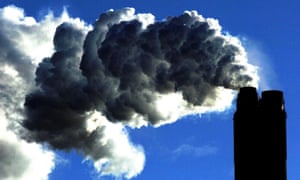
Coal fired power plant
‘Morrison claims we need a lot more gas to continue the
energy transition already in play. The experts disagree.’
His claim that “there is no credible energy transition plan, for an economy like Australia in particular, that does not involve the greater use of gas as an important transition fuel” is demonstrably wrong. There are many.
A decade ago solar and wind were expensive, gas was cheap, batteries had no conceivable role in a power grid and pumped hydro storage was a forgotten technology. Conventional wisdom held that gas was a “transition fuel” – that since gas generation has half the emissions of coal power (if we foolishly turn a blind eye to emissions caused when extracting gas), we could reduce emissions by switching out coal power stations for gas turbines.

Read the story from The Guardian by Simon Holmes à Court - “Scott Morrison is stuck in a time warp – more gas is not the answer.

18 May, 2015

Pressure mounts on advisers as Paris draws closer


A

s global negotiations fail on emissions reductions, scientific advisers need to resist pressure to fit the facts to the failure, warns Oliver Geden.

Writing in Nature, Geden says, “Disenchantment has set in well ahead of the 21st Conference of the Parties (COP21) to the United Nations Framework Convention on Climate Change (UNFCCC) in Paris in December.

“Scientists, policy-makers and the public already accept that progress will not be enough to keep global average temperature rise within the 2 °C limit set at the 2010 UN climate summit.

“The negotiations' goal has become what is politically possible, not what is environmentally desirable. Gone is a focus on establishing a global, 'top down' target for stabilizing emissions or a carbon budget that is legally binding.

“The Paris meeting will focus on voluntary, 'bottom up' commitments by individual states to reduce emissions,” he writes.