Showing posts with label hard to believe. Show all posts

18 September, 2019

The gloves are off: ‘predatory’ climate deniers are a threat to our children

In this age of rapidly melting glaciers, terrifying megafires and ever more puissant hurricanes, of acidifying and rising oceans, it is hard to believe that any further prod to climate action is needed.
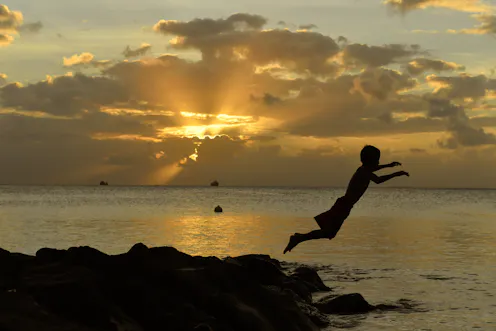
Image result for The gloves are off: ‘predatory’ climate deniers are a threat to our children
A child jumps from a rock outcrop into a lagoon
 in the low-lying Pacific island of Tuvalu.
But the reality is that we continue to live in a business-as-usual world. Our media is filled with enthusiastic announcements about new fossil fuel projects, or the unveiling of the latest fossil-fuelled supercar, as if there’s no relationship between such things and climate change. 

In Australia, the disconnect among our political leaders on the deadly nature of fossil fuels is particularly breathtaking.


Read the story from The Conversation by a Professorial fellow from the Melbourne Sustainable Society Institute at the University of Melbourne, Tim Flannery -  “The gloves are off: ‘predatory’ climate deniers are a threat to our children.”

07 July, 2019

Shell is not a green saviour. It’s a planetary death machine

It is hard to believe it needs stating, but it does. The oil industry is not your friend. Whatever it might say about its ethical credentials, while it continues to invest in fossil fuels, it accelerates climate breakdown and the death of the habitable planet. You would think this point was obvious to everyone. But over the past few weeks, I have spoken to dozens of environmentalists who appear to believe that Shell is on their side. I’ve come to the bizarre conclusion that there is more awareness of the oil industry’s agenda within the arts than there is among conservation groups.

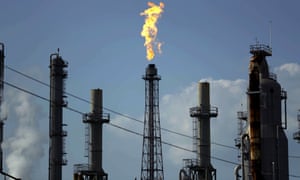
Shell Deer Park oil refinery in Texas
‘Shell’s ‘cash engines’, according to its annual report, are oil
 and gas. There is no sign that it plans to turn the engines off.’
Last week, the actor Mark Rylance brilliantly articulated his reasons for resigning from the Royal Shakespeare Company over its sponsorship by BP. The oil company had been subsidising cheap tickets for young people. It might be trashing the world these young people will inherit, but they can watch some great shows. This is bread and circuses – without the bread.

“Surely,” Rylance asked, “the RSC wants to be on the side of the world-changing kids, not the world-killing companies?” To judge by its responses to his complaints across the years, apparently not. But, thanks to campaigning groups such as Platform, Art Not Oil, BP or not BP? and Culture Unstained, theatre companies, museums and art galleries are at least aware that there’s a conflict.


Read the opinion piece by George Monbiot from The Guardian - “Shell is not a green saviour. It’s a planetary death machine.” 

27 December, 2018

Trump Imperils the Planet

It’s hard to believe but it was only three years ago this month — just after 7 p.m., Paris time, Dec. 12, to be precise — that delegates from more than 190 nations, clapping and cheering, whooping and weeping, rose to celebrate the Paris Agreement — the first genuinely collective response to the mounting threat of global warming. It was a largely aspirational document, without strong legal teeth and achieved only after contentious and exhausting negotiations. But for the first time in climate talks stretching back to 1992, it set forth specific, numerical pledges from each country to reduce emissions so that together they could keep atmospheric temperatures from barreling past a point of no return.
CreditCredit
Illustraton:Enzo Pérès-Labourdette
Two weeks ago, delegates met at a follow-up conference in Katowice, Poland, to address procedural questions left unsettled in Paris, including common accounting mechanisms and greater transparency in how countries report their emissions. In this the delegates largely succeeded, giving rise to the hope, as Brad Plumer put it in The Times, that “new rules would help build a virtuous cycle of trust and cooperation among countries, at a time when global politics seems increasingly fractured.”


Read the opinion from The New York Times - “Trump Imperils the Planet.”