Showing posts with label no exception. Show all posts

05 September, 2019

Not passive victims: Indigenous Australians respond to climate change

Climate change poses both direct and indirect threats to the socio-economic, institutional and environmental systems of the world’s Indigenous populations. Australia is no exception. Yet through the formation of political alliances and establishment of on-country initiatives Indigenous Australians have been leading the way in the development of climate adaptation responses.
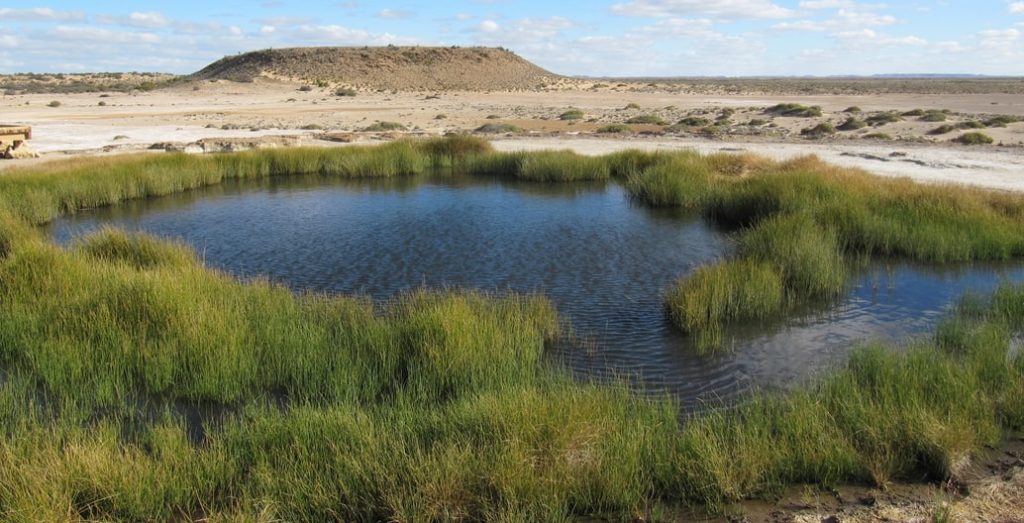
Under threat from climate change, the Bubbler is a natural spring and important cultural site for the Arabana people of the Kathi Thanda region. Photo: Melissa Nursey-Bray
Under threat from climate change, the Bubbler is a
 natural spring and important cultural site for the
Arabana people of the Kathi Thanda region.
Firstly, there are a range of climate issues that confront Indigenous people today. Of high priority is not just the biophysical impact on plants and animals, but how these impacts in turn will affect traditional sites, knowledge and culture. For example, sea level rise and associated flooding is having a big impact in the Torres Strait while the Arabana people of the Kathi Thanda-Lake Eyre have special sites, in particular one men’s site, which is threatened by erosion from more intense flooding. Rainforest-based peoples in North Queensland are seeing first hand how more intense cyclones are impacting fishing and other significant sites.


Read the Foreground story by Melissa Nursey-Bray - “Not passive victims: Indigenous Australians respond to climate change.”

20 February, 2018

Climate Change Impacts on Northern Victoria

Climate change will significantly alter the life and culture of human societies. Australia is no exception.
When we consider climate change on the global level we begin to see overall trends, but it is easy to lose sight of the local detail. For example, we know that, globally, 2016 was the hottest year on record but we must ask what this means for local communities and landscapes.

It is clear that these global changes will play out locally.

In central and northern Victoria, it is important that we understand how climate change will impact on our future, so we can plan for it. As a trend, annual rainfall has significantly decreased in the region and the average temperature since 1950 has already increased by between 1 and 1.5 degrees Celsius.

Based on projections provided by the State of Victoria, it is clear that the Loddon and Mallee regions will be a hotter and drier place than they have already become. These changes will involve significant challenges for people living in the north of the state.


Read the Act on Climate story by Cam Walker - "Climate Change Impacts on Northern Victoria.”