
Mayibout 2 is not a healthy place. The 150 or so people who live in the village, which sits on the south bank of the Ivindo River, deep in the great Minkebe forest in northern Gabon, are used to occasional bouts of diseases such as malaria, dengue, yellow fever, and sleeping sickness. Mostly they shrug them off.
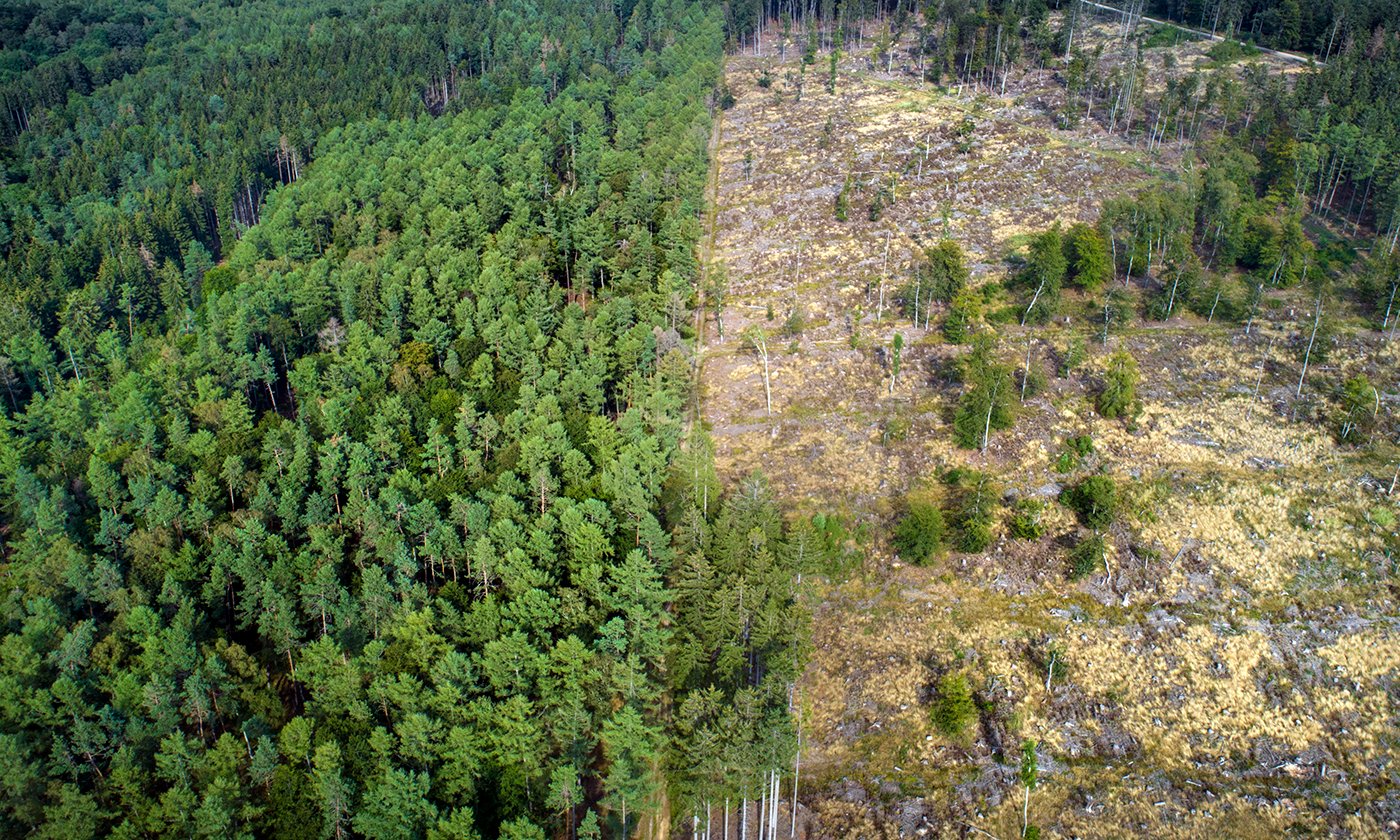 |
| As habitat and biodiversity loss increase globally, the novel coronavirus outbreak may be just the beginning of mass pandemics. |
But in January 1996, Ebola, a deadly virus then barely known to humans, unexpectedly spilled out of the forest in a wave of small epidemics. The disease killed 21 of 37 villagers reported to have been infected, including a number who had carried, skinned, chopped, or eaten a chimpanzee from the nearby forest.
I traveled to Mayibout 2 in 2004 to investigate why deadly diseases new to humans were emerging from biodiversity “hot spots” such as tropical rainforests and bush meat markets in African and Asian cities.
It took a day by canoe and then many hours down degraded forest logging roads passing Baka villages and a small gold mine to reach the village. There, I found traumatized people still fearful that the deadly virus, which kills up to 90% of the people it infects, would return.
Read the story from Yes! magazine by John Vidal - “Don’t Blame Bats or Pangolins. Human Actions Caused the Coronavirus.”

