
Last week’s catastrophic fires on Australia’s east coast – and warnings of more soon to come – will become all too common as climate change gathers pace. And as the challenges of modern hazard reduction become clear, there is much to learn from the ancient Aboriginal practice of burning country.
Indigenous people learnt to use fire skillfully and to their advantage, including to moderate bushfires. Most of the fires were small and set at dry times of the year, resulting in a fine-scale mosaic of different vegetation types and fuel ages. This made intense bushfires uncommon and made plant and animal foods more abundant.
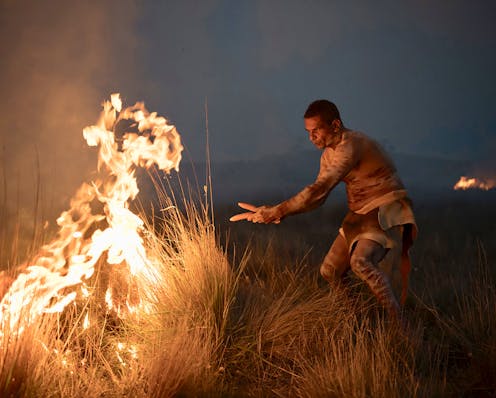 |
| Modern fire managers can learn much from Aboriginal fire practice. |
Contemporary fire managers also attempt to lower bushfire risk by reducing fuel loads through hazard reduction burning. To minimise costs, this is often achieved by dropping incendiaries from aircraft.
Concern is growing that such methods exacerbate biodiversity declines and often do not prevent a subsequent bushfire. As climate change makes bushfires more ferocious and extreme, now is the time to better understand how our First Peoples used fire.
Read the story from The Conversation - “Our land is burning, and western science does not have all the answers.”

No comments:
Post a Comment