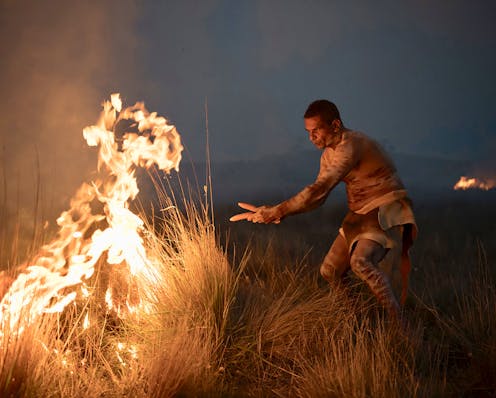
A couple of years ago, I published an article on why “extremely unlikely” climate events matter. The central point was that climate outcomes with a probability of 5 per cent or less (“extremely unlikely” in IPCC terminology) were still much more likely than risks we take seriously in our daily life, like dying in a car crash). As an illustration, at the time the piece was written, it seemed less than 5 per cent probable that, within two years, many countries in the world (including Australia) would see catastrophic fires on the scale of those that have actually happened.
I made this point in an interview for an ABC story on economists’ views of the likely costs of 3 to 4 degrees of climate change. Most of those interviewed agreed with me that the costs were likely to be much higher than suggested by economics Nobelist William Nordhaus (with whom John Horowitz and I had a debate in the American Economic Review quite a while ago). We pointed out, among other problems, that a paper he had co-authored implied an optimal July temperature of -146 degrees Fahrenheit.
Read the story by John Quiggin - “The worst case is happening.”