Showing posts with label respond. Show all posts

01 April, 2020

The Climate Crisis Will Be Just as Shockingly Abrupt

As governments around the globe debate how to respond both to the coronavirus itself and the economic chaos it has unleashed, a theme that’s come up over and over is how to prioritize what makes it into spending packages. In the United States, right-left fault lines have emerged over the question of bailing out emissions-heavy industries versus a greener stimulus. On Thursday, the Environmental Protection Agency announced a large-scale rollback of environmental regulations as a response to the pandemic—allowing many emitters to police themselves when it comes to pollution.
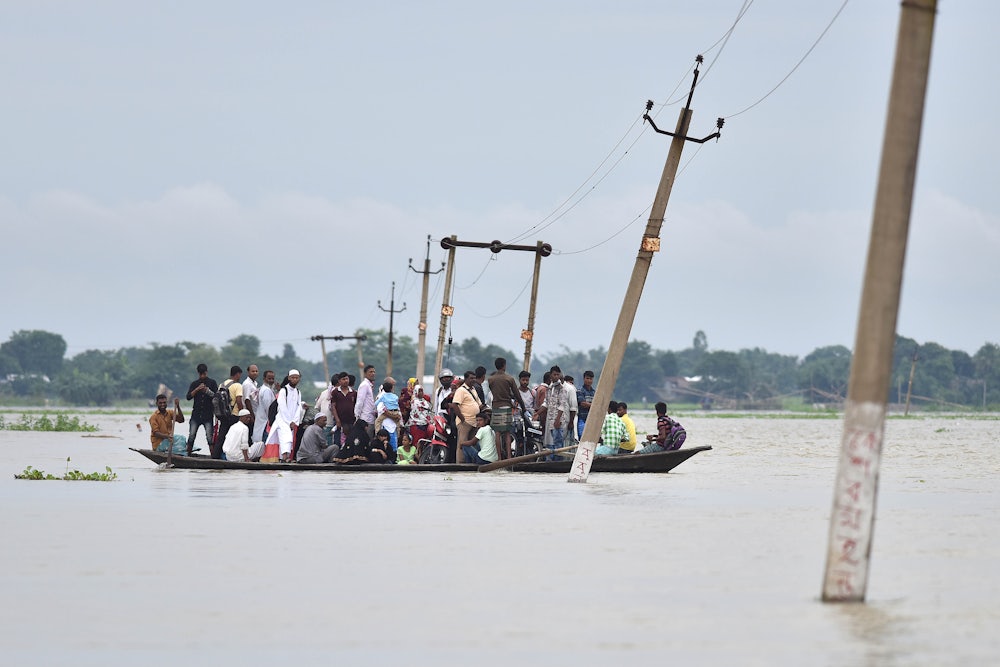
Yes, the climate crisis will be just as shockingly abrupt as the coronavirus. 
While some argue that the oxygen in the climate debate should be taken up by the pandemic instead, the two issues aren’t mutually exclusive, experts say. In a warming climate, more diseases are likely to emerge and spread, making climate change action an important part of addressing future health crises. Moreover, the perception that climate change isn’t as urgent as other crises may rely on misunderstandings about how climate-related changes will happen. The rate isn’t constant: Instead, there’s reason to believe everything from Arctic melt to Amazon deforestation might experience what’s known as “tipping points,” where small changes in nature shift into rapid and irreversible damage.

Read the story from The New Republic by Melody Schreiber - “The Climate Crisis Will Be Just as Shockingly Abrupt.”

01 June, 2019

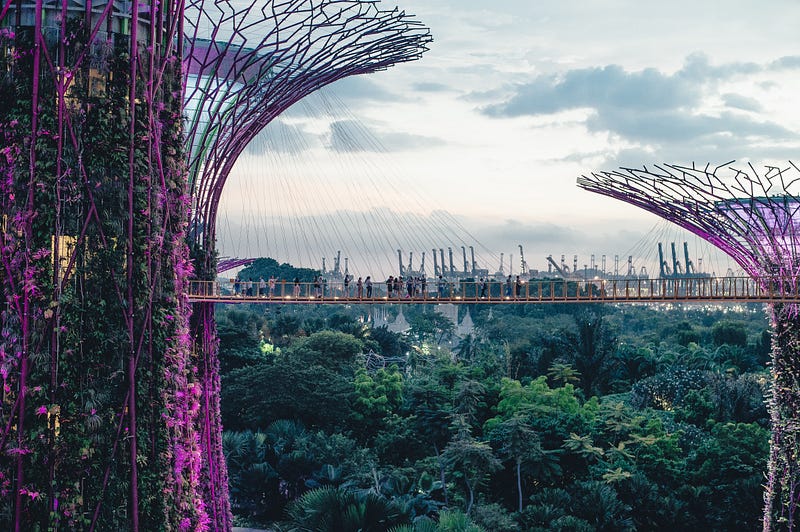
Surviving Climate Change: What Would A Low Carbon Future Look Like?


In a previous post I argued that we need to change the way we talk about climate change in order to tackle it. Essentially, human beings are psychologically wired to respond to messages of positivity (gain) rather than negativity (loss), so instead of the doom and gloom narratives of climate disaster, we should be focusing on protecting our planet and spreading positive ideas of how we could turn the issue around.
What will a low-carbon future look like?
So, to practice what I preach, I want to create a vision of what a low carbon future would look like, once we get our act together and cut our carbon emissions, reducing global warming to a safe and manageable level.
I’m not claiming to depict exactly how a low-carbon society would work, but I will explore four key areas: energy, transportation, food, and technologies.
Read the story from Medium by Tabitha Whiting - “Surviving Climate Change: What Would A Low Carbon Future Look Like?”.

25 February, 2019

Senator Feinstein and the new climate change denialism: we can't do anything too radical

This, incredibly, is how a US Senator chose to respond to a delegation of schoolchildren and their teacher when they went to her office seeking support for the Green New Deal.

Tim Dunlop.
No matter what you think of Feinstein's basic point--and I'll come to that--this is a badly calibrated response to a bunch of concerned citizens, especially young ones, who, given the issue, have much more skin in the game than Feinstein (or me, or anyone over 50). 

At the very least, if she had a point to make, it maybe could've been a teaching moment, and she could've taken the time to explain her position. Instead, she was dismissive, angry even, and basically told them to bugger off.


09 April, 2018

Too wet? Too cold? Too hot? This is how weather affects the trips we make

What sorts of weather lead us to change our daily travel behaviour? How do we respond to scorching heatwaves, sapping humidity, snow and frost, strong winds, or torrential rain? International research shows weather is important in shaping our everyday movements.
Very wet weather is likely to persuade many regular
cyclists and walkers to travel instead by car if
 they can. This is Bondi Junction after a storm hit Sydney.
The research evidence suggests that bad weather can lead to planned journeys being rescheduled, rerouted or cancelled. The consequences of these shifts in daily travel choices can include increases in traffic congestion and accidents, travel delays, mental stress, environmental pollution and general travel dissatisfaction.

Because people who travel by bike or walking are most likely to change travel plans in bad weather, some cities are responding with innovations such as heated bicycle lanes and sheltered walkways.


04 February, 2018

The Drum - our need to respond and change our behaviours.

Those of us interested in the implications and complications of climate change should find this Episode 5 of The Drum on ABC TV both informative and another illustration about why there is a particular urgency about our need to respond and change our behaviours.

Episode 5 of The Drum - well worth your time.
It features, along with others, the Professor of Public Ethics at Charles Sturt University, Clive Hamilton, who is renown for “telling it like it is” when talking about Earth’s disrupted climate system.