
When the land down the road from Lorraine Lewandrowski’s home in New York State’s Herkimer county was sold, it was bought by developers who turned the land into a subdivision.
“The people who bought the lots from us were nice enough, and they all told me that they wanted to be out in the country,” says Lewandrowski a lawyer and a dairy farmer in Central New York. “But they couldn’t grasp what they were doing. The meadows that were alive with little bird fledglings the developers were plowing under to make these 10 acre lawns.”
It’s hard to argue that that was an ecological improvement over the land’s previous incarnation as a farm.
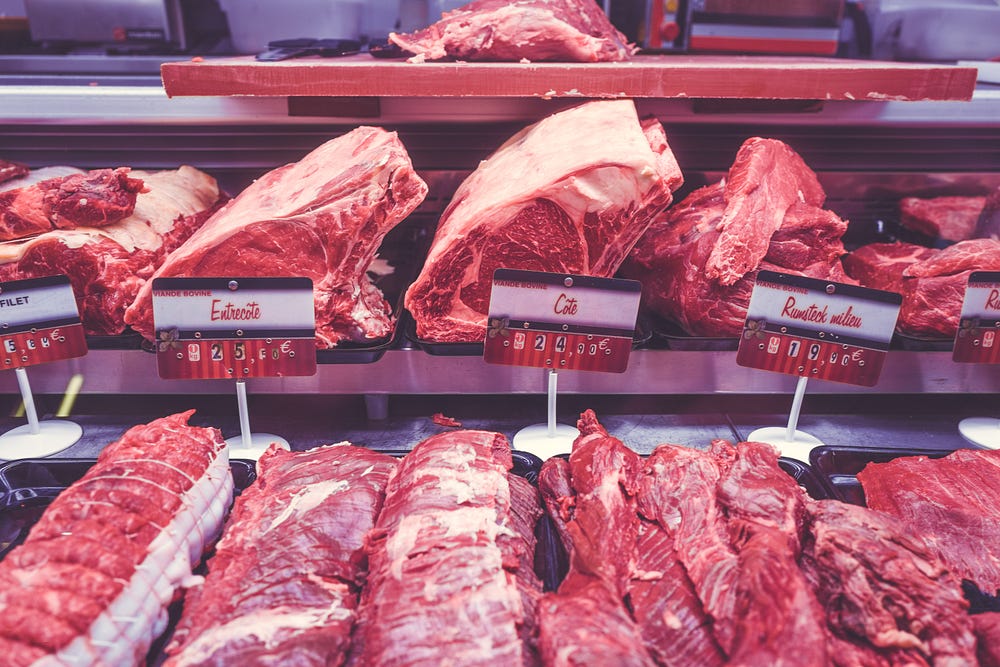
For the past month, many Popular Science staff members have engaged in No Red October in which they eschewed eating beef. The reason was not masochism but environmentalism: livestock accounts for 12-percent of global climate change emissions. And beef — which requires 28 times more land and 11 times more water to produce chicken or pork while emitting five times more climate-changing emissions — seems like a natural place to cut back.
Especially since Americans annually eat 54 pounds of beef, or a little more than a pound a week.
Read the Popular Science story by Kendra Pierre Louis - "If we all stopped eating beef, what would happen to the land?”

No comments:
Post a Comment