Showing posts with label climate variability. Show all posts

06 January, 2020

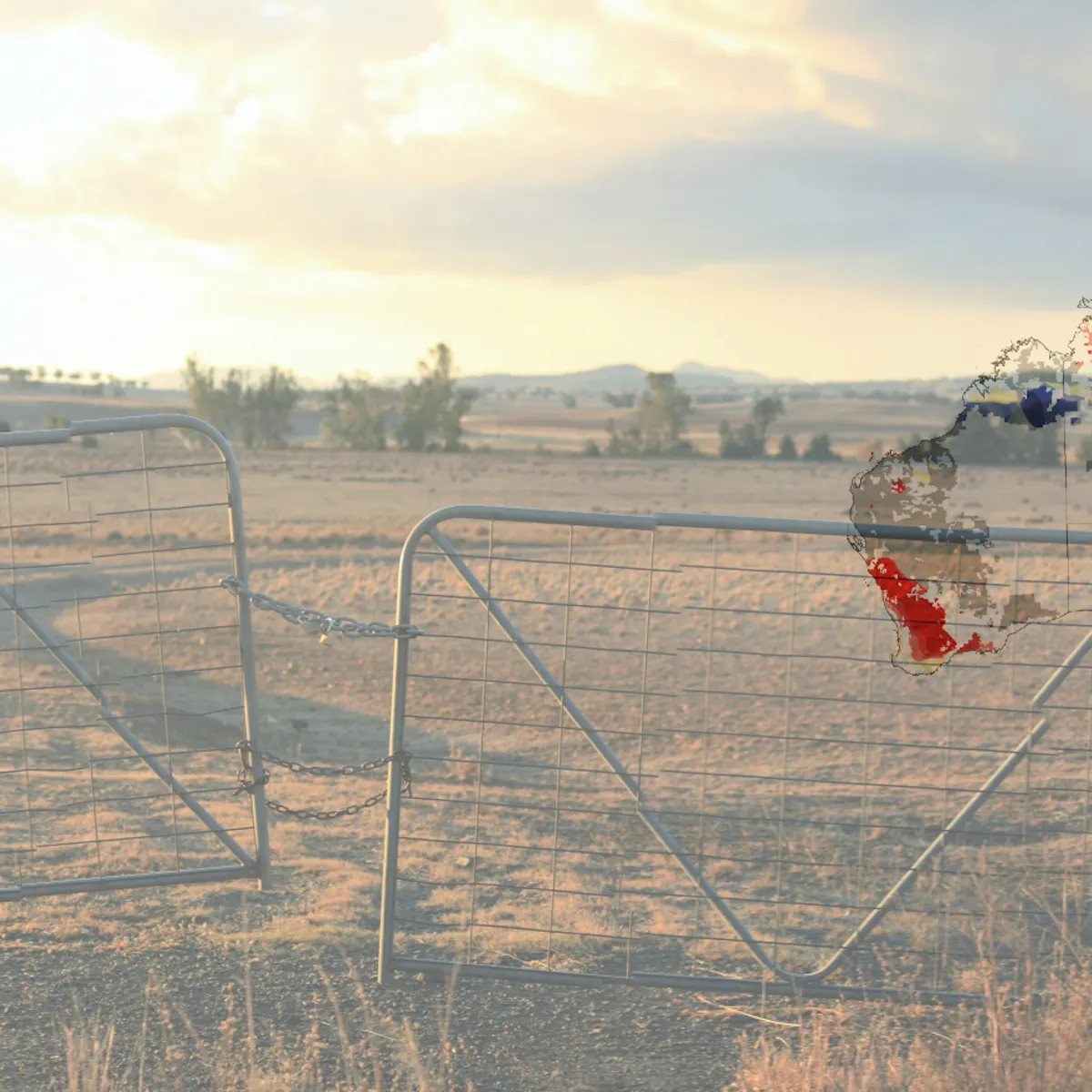
New study: changes in climate since 2000 have cut Australian farm profits 22%

The current drought across much of eastern Australia has demonstrated the dramatic effects climate variability can have on farm businesses and households.

Image result for New study: changes in climate since 2000 have cut Australian farm profits 22%
The Australian Bureau of Agricultural and Resource
 Economics and Sciences farm predict model finds
 that changes in climate conditions since 2000 have
 cut farm profits by 22% overall, and by 35% for cropping farms..
The drought has also renewed longstanding discussions around the emerging effects of climate change on agriculture, and how governments can best help farmers to manage drought risk.

A new study released this morning by the Australian Bureau of Agricultural and Resource Economics and Sciences offers fresh insight on these issues by quantifying the impacts of recent climate variability on the profits of Australian broadacre farms.


21 September, 2017

Australia's southern winters are drying out. Here's why

Winter rains are in decline across southern Australia, and while it is too early to say beyond doubt it is due to climate change, scientists say it is not just about climate variability.

Winter rain in Australia's southern wheatbelt
has declined by 28 per cent since 1990.
According to the Bureau of Meteorology, June was the driest on record for large parts of southern Australia, and the winter as a whole across Australia was the ninth driest on record.

"It's actually quite unusual for us to get such a widespread dry through the winter without having an El Nino," Bureau of Meteorology senior climatologist Blair Trewin said.

El Nino often brings dry conditions to Australia, but this year it is in neutral.


Read the ABC News story by Ben Deacon and Kate Doyle - “Australia's southern winters are drying out. Here's why.”

03 August, 2017

Funding & direction of Australian climate science research needs an overhaul: Academy of Science

Fran Kelly.
Australian climate science research is not currently providing the answers that farmers, local councils and all levels of government need to make decisions on future climate variability and risk.

That's one of the key findings of a climate science capability review, released this morning by the Australia Academy of Science.

The review was set up after the controversial cuts to climate science programs at the CSIRO last year.

The independent review recommends 80 new research positions should be funded, together with an overhaul of the administration and oversight of Australia's climate science programs.


Listen to the discussion on RN Breakfast with Fran Kelly - “Funding & direction of Australian climate science research needs an overhaul: Academy of Science.”

14 February, 2016

The tide has finally turned on climate change - Graham Parton


-      by Graham Parton

Graham Parton.
I think the tide has finally turned on climate change.

Three years ago I found there was still some “debate” about whether the climate is changing or not. At the time the (then) Victorian Government had issued instructions to public employees that they were not allowed to use the phrase “climate change” in documents, preferring instead the more obscure and less accurate “climate variability”. Living in a regional area I took no comfort from being surrounded by and working with the last bastion of deniers – middle aged white men, who were quick to explain that “the science is not settled yet” or to have some reason why it was all a conspiracy.

Earlier this week I found myself at a meeting of middle aged white men working in emergency services and we were talking about the local emergency management plan. A key information document was passed around that showed the extent that the bad old days of denial were over, with phrases describing the area as “one of the regions’ most severely impacted by climate change”.

Within the businesslike approach to emergency management it predicted longer fire seasons, dryer soils, hotter winds and up to 50% decreases in rainfall in this area. It wasn’t that long ago that these ideas were dismissed by conservative rural communities, but now farmers plant different crops at different times of the year and some seasons are already finishing at a time when they would previously have just been starting. The farming community is up in arms about the Federal Government stopping funding for climate research.

(Graham now lives in north-east Victoria, was once a keen supporter of Tatura Transition Towns (he worked in the town, lived there during the week and travelled home for the weekends – he now works in the southern parts of New South Wales) and continues to stay abreast of Beneath the Wisteria activities.)