It certainly appears that the effects of climate change are happening faster than we thought. We have more destructive hurricanes and devasting fires burn on virtually every continent. Weather is more extreme and water supplies are shrinking in many parts of the world, with droughts threatening landscapes, farms, livelihoods and food security. We also know that sea-level rise is accelerating, threatening not only Pacific Island Nations but major cities (e.g., Miami, Singapore, Shanghai) and coastal areas throughout the world. The ocean is warming and becoming more acidic, destroying coral reefs and harming (or at least translocating) fish populations, and record temperatures are also making many parts of the planet unliveable with the number of climate refugees projected to grow rapidly.
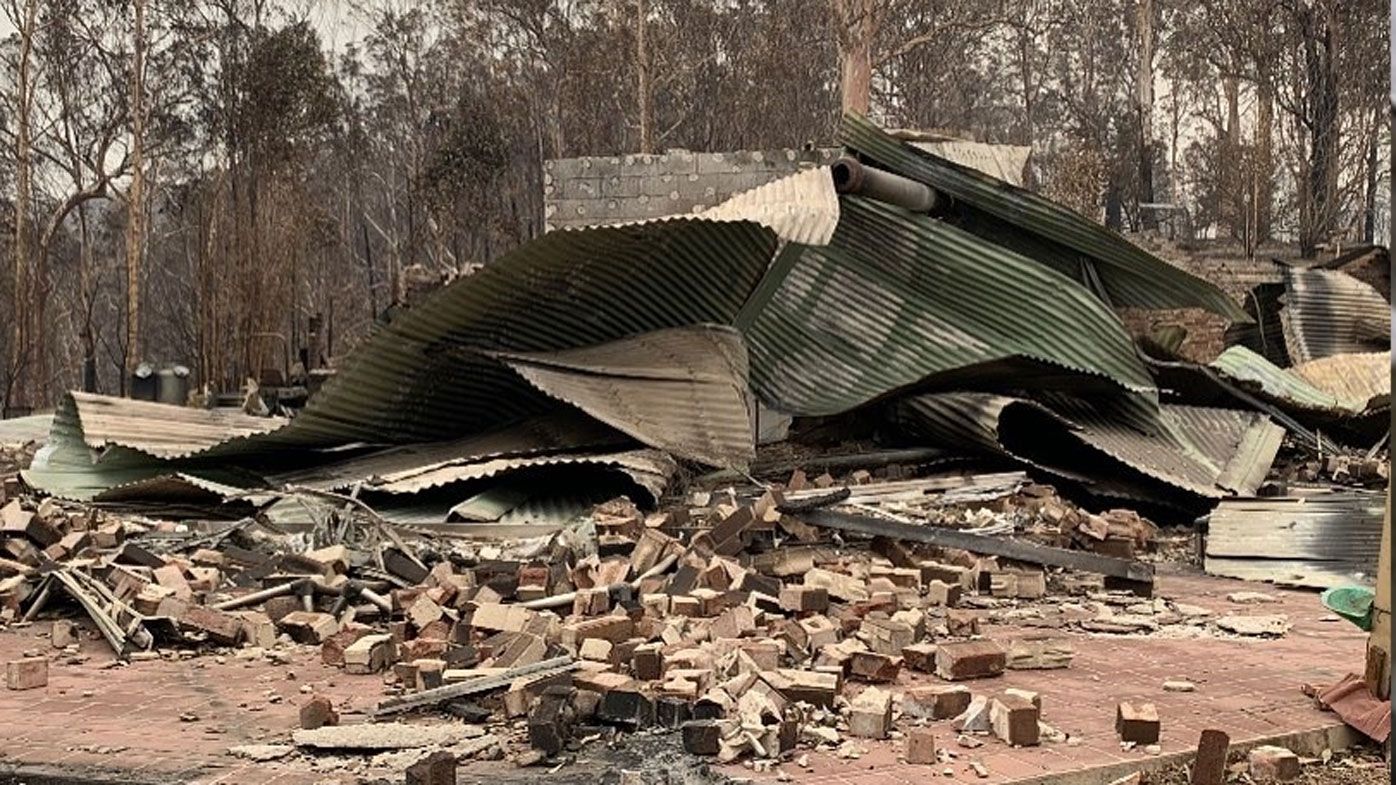 |
| Climate change is costly and happening faster than we thought. |
Do we have a full measure of the economic costs from all of these damages, going forward, globally and for Australia? In a word, no. Projections for economic damages under different global warming scenarios are difficult to come by, save for simple, highly aggregated measures drawn from basic computational models (e.g., DICE), which can often be very misleading given their extreme and implicit tendency to average effects. But we do have a start. Projects supported by Climate Council and MSSI have started to better map out damages in large-dimensional global trade and climate models, giving more finely calibrated measures of the costs of climate change.
Read the story from the Melbourne Sustainable Society Institute at the University of Melbourne by Professor Tom Kompass - “What are the full economic costs to Australia from climate change?”