Showing posts with label devastating fires. Show all posts

20 February, 2020

What are the full economic costs to Australia from climate change?

It certainly appears that the effects of climate change are happening faster than we thought. We have more destructive hurricanes and devasting fires burn on virtually every continent. Weather is more extreme and water supplies are shrinking in many parts of the world, with droughts threatening landscapes, farms, livelihoods and food security. We also know that sea-level rise is accelerating, threatening not only Pacific Island Nations but major cities (e.g., Miami, Singapore, Shanghai) and coastal areas throughout the world. The ocean is warming and becoming more acidic, destroying coral reefs and harming (or at least translocating) fish populations, and record temperatures are also making many parts of the planet unliveable with the number of climate refugees projected to grow rapidly.
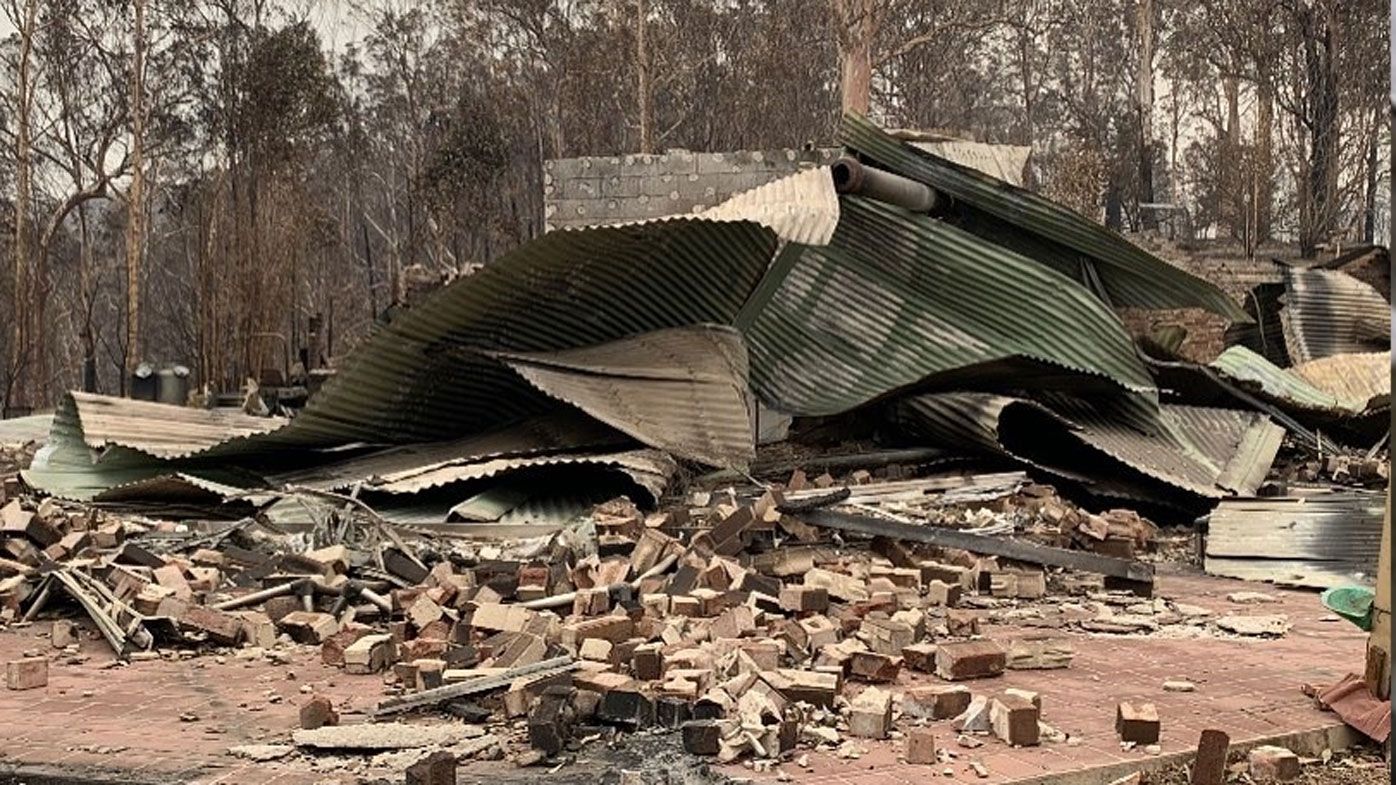
Climate change is costly and happening faster than we thought.
Do we have a full measure of the economic costs from all of these damages, going forward, globally and for Australia? In a word, no. Projections for economic damages under different global warming scenarios are difficult to come by, save for simple, highly aggregated measures drawn from basic computational models (e.g., DICE), which can often be very misleading given their extreme and implicit tendency to average effects. But we do have a start. Projects supported by Climate Council and MSSI have started to better map out damages in large-dimensional global trade and climate models, giving more finely calibrated measures of the costs of climate change.


Read the story from the Melbourne Sustainable Society Institute at the University of Melbourne by Professor Tom Kompass - “What are the full economic costs to Australia from climate change?

27 August, 2019

Trump’s Trade War Linked To Amazon Rainforest Destruction

As unsold U.S. soybeans are stored in silos across the farm belt, Brazilian farmers and corporations scramble to satisfy the voracious Chinese market. The push to break new ground amid President Donald Trump’s trade war with China is putting increasing pressure on the Amazon rainforest and is likely linked to the region’s devastating fires, according to experts.

Image result for Trump's Trade War Linked To Amazon Rainforest Destruction

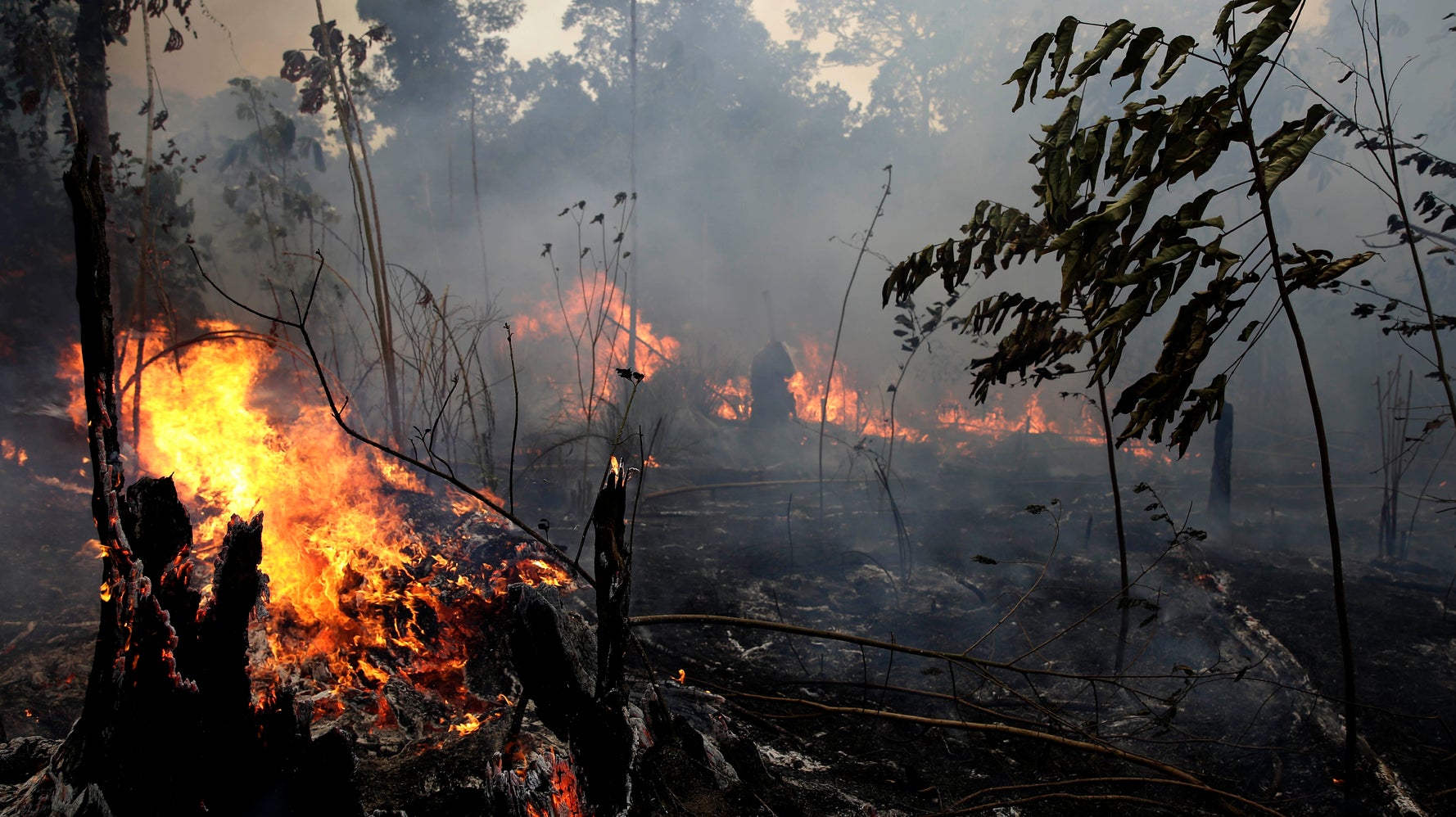
The Amazon burns as the trade wars ramp up.

“There is concern that market pressures related to the disruptions in global trade contributed to the fires in the Amazon,” Paul Murphy-Spooner, the spokesperson for the American Soybean Association, said in an email to HuffPost. 

Brazil is America’s biggest soybean competitor and has stepped up its production now that China has slashed its purchases of U.S. crops in retaliation for Trump’s tariffs on Chinese imports. Soy shipments from Brazil jumped 27% from 2017 to 2018. Chinese imports from Brazil in the 12 months through April amounted to 71 million tons — nearly as much as China imported from the entire world in 2014, according to Bloomberg. 


Read the Huffpost story by Mary Papenfuss - “Trump’s Trade War Linked To Amazon Rainforest Destruction.”

05 November, 2018

For us to tackle climate change, companies need to pay their tax

It’s been a year of natural disasters. After Irma, Maria, Harvey, hurricane Florence left a devastating landscape in the Caribbean. Extreme temperatures across the northern hemisphere have caused devastating fires from Europe to the US. Dozens have been killed in the Philippines after typhoon Mangkhut triggered landslides.
‘The IMF reports that the revenue lost from tax
evasion in developing countries is 1.3 times larger,
 as a share of GDP, than it is in advanced economies.’
And the worst consequences of climate change are yet to come.

It is a huge challenge for rich countries and for developing nations, a sisyphean task: how to collect enough revenue to respond to major catastrophes, while at the same time trying to lift billions of people out of poverty?

Look at Indonesia. Disasters are a familiar tragedy in the world’s fourth most populous nation, with its thousands of islands across hundreds of miles of ocean. This should make disaster risk planning crucial. It is not the case, as the latest earthquake and tsunami showed. Reports revealed that parts of the tsunami alert system didn’t work. In some areas, there were no sirens at all. The death toll is still climbing.


Read the opinion piece by Wayne Swan from The Guardian - “For us to tackle climate change, companies need to pay their tax.”