Showing posts with label highlights. Show all posts

27 September, 2019

IPCC report: extreme sea level events will be ‘once a year’ by 2050

The latest IPCC report ‘Ocean and Cryosphere in a Changing Climate’ highlights the damaging consequences of endured changes to our oceans and frozen waters.

The report, put together by more than 100 scientists from more than 30 countries, assessed the latest scientific knowledge about the impacts of climate change on ocean, coastal, polar and mountain ecosystems, and the human communities that depend on them.
The report says that even if emissions came to a halt immediately, extreme events will occur every year by 2050 in many regions, increasing risks for many low-lying coastal cities and small islands.
To limit the damage caused by the events, the IPCC warn that major investments in adaptation are required to reduce low lying costal islands being exposed to increased flood risks.
The report highlights that the ocean and the cryosphere play a critical role for life on Earth and on the human population. A total of 670 million people in high mountain regions and 680 million people in low-lying coastal zones depend directly on these systems.
Read the ClimateAction story by Rachel Cooper - “IPCC report: extreme sea-level events will be ‘once a year’ by 2050.”

25 August, 2019

Farming Our Way Out of the Climate Crisis

Early tomorrow (this story was published August 7), the Intergovernmental Panel on Climate Change (IPCC) will release a new report that highlights the importance of land use and agriculture in climate change.
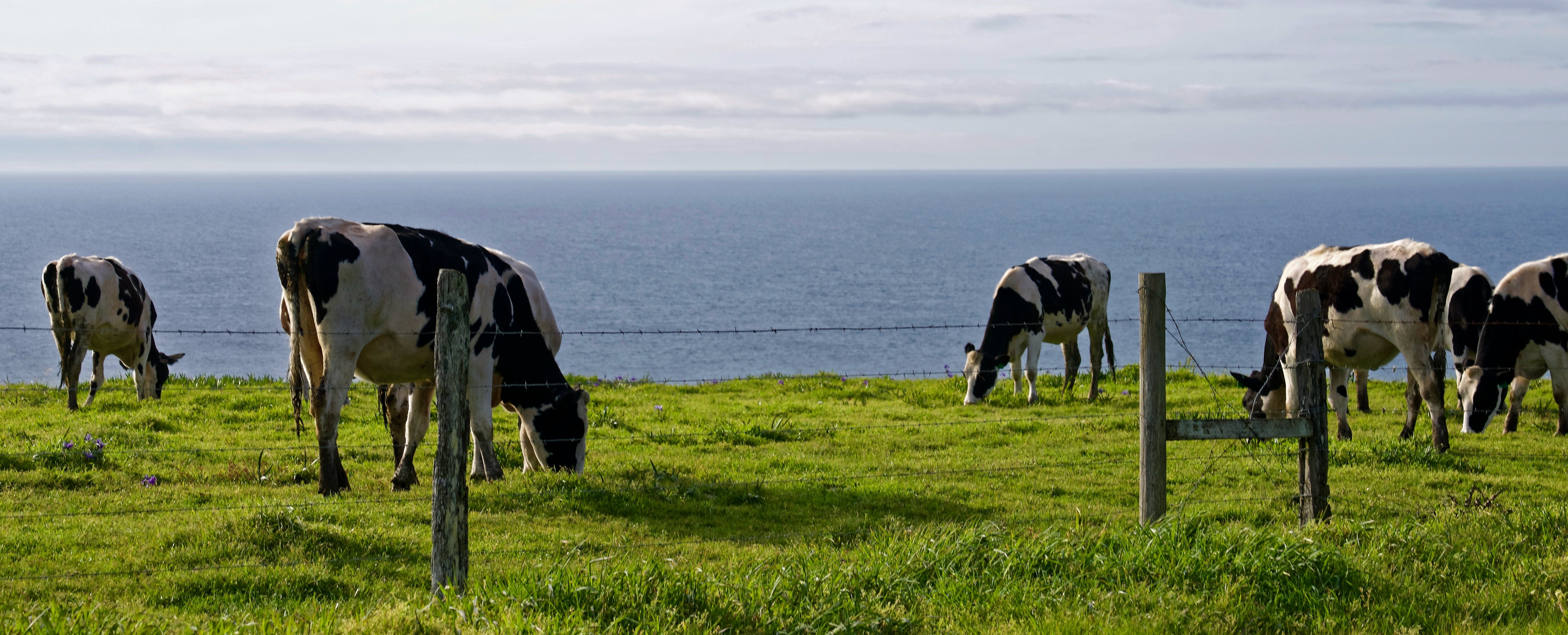
California cows, Marin County. 
Good! It’s a crucial area for us to focus on, and it’s often neglected.

I’ve been working on this topic, on and off, since the 1990s, and have been bewildered why it doesn’t get more attention. For some reason, when we think of greenhouse gas emissions, we envision factories, cars, and smokestacks — not farm fields, plantations, and cattle ranches. But, it turns out, land use and agriculture are among the biggest contributors to climate change — and can be among the biggest climate solutions.

So it’s great to see more attention paid to land use and agriculture, and its central role in addressing the climate crisis. At Project Drawdown, we have stressed this point since the beginning, and we are happy to see others talk about it too.


Read the story from Medium by Jonathan Foley - “Farming Our Way Out of the Climate Crisis.”

21 December, 2018

Climate change and the risk to civilisation: the doctors' prescription.

The 2018 State of the Climate report, released yesterday, again highlights the risk to human wellbeing from our love affair with fossil fuels. Coal, oil and gas have underpinned the incredible advances in affluence, population size, and health since development of the steam engine. But fossil fuel use has an optimum dose, which is now well past.
An evacuation during the November bushfires,
 near Mount Larcom, Queensland.
CREDIT:
We are metaphorically drowning in carbon dioxide, the invisible, odourless waste product of burning fossil fuel. As the report notes, this is increasing heatwaves, acidifying the oceans and raising the sea level. It is also lowering the micronutrient concentrations of food.


Read the story from The Age by Colin Butler - “Climate change and the risk to civilisation: the doctors' prescription.”