Showing posts with label universities. Show all posts

30 January, 2020

Invest with the best

In tandem with the urgent need to decarbonise the global economy, the movement to divest from the fossil fuel industry has grown rapidly in recent years. In Australia, divestment commitments have been made by local councils, charitable trusts, universities, super funds, and the ACT government.
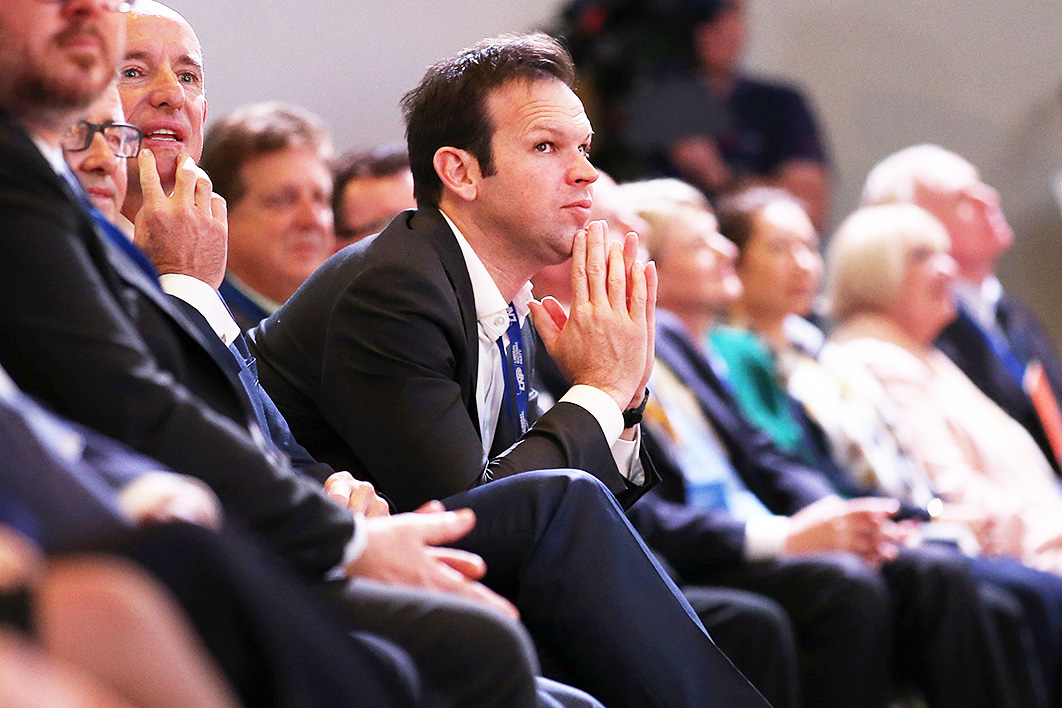
Waiting for a miracle: federal resources minister Matt Canavan,
a proponent of “clean coal,” listening to prime minister Scott
Morrison at last year’s Liberal National Party convention in Brisbane.
While this progress is remarkable, only a minority of institutional investors have so far adopted a comprehensive policy of divestment from companies extracting or using carbon-based fuels. At the moment the spotlight is on UniSuper, the industry superannuation fund covering the university sector, which continues to include unsustainable investments in its standard portfolios.
With most national governments falling far short of the commitments needed to reach the goals set out in the Paris Agreement, the case for divestment has only become more urgent. Investing in such corporations is not a defensible option for institutions, like universities, that expect to endure for centuries.

Read the Inside Story by John Quiggin - “Invest with the best.”

08 September, 2019

Should we call climate change an emergency?

The term Climate Emergency has appeared in public discourse with remarkable speed and is now increasingly the language of not just the climate movement, but also a growing number of cities, states, parliaments and Universities. Yet it is not without its critics who argue the language of emergency may have unintended consequences by providing license for potentially dangerous interventions in the climate system, such as solar geoengineering. This article briefly reviews where the term came from, its current influence, risks and prospects.
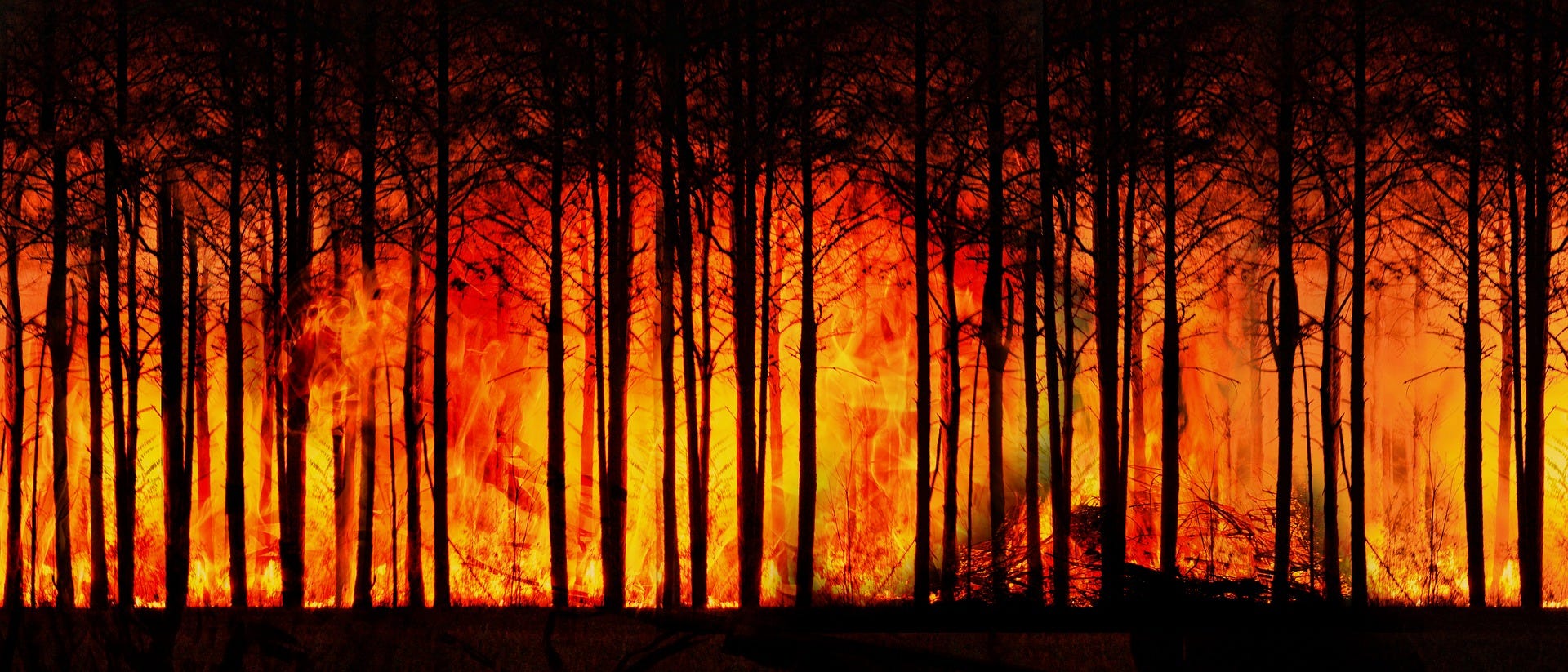
Climate change is increasing the frequency and
severity of forest fires,  which seems frighteningly
 relevant in view of the considering the many bushfires
troubling parts of northern New South Wales and
south-eastern Queensland.
None of what follows reduces the urgency and seriousness of the climate crisis. In 2018 the Intergovernmental Panel on Climate Change (IPCC) released their most blunt report to date, stating that to stay under 1.5ºC requires the world economies to reach net zero emissions by 2050. Some researchers have since argued that climate change is happening faster than the IPCC has anticipated, potentially breaching the 1.5ºC temperature threshold by 2030. With still rising emissions, and bereft of a politically viable plan to date, current projections point to a 3ºC plus world before the end of this century, with the high risk of crossing climate thresholds from which we may not be able to escape. This is the risk, but not yet the unavoidable future; the world still has capacity to ensure a less dangerous future climate.
There are at least two distinctive views on the language of emergency, one rooted in concerns that incremental change is too slow and therefore the language around climate change had to change. The second is the assessment by some scholars that dangerous geoengineering technologies may be implemented to reduce global warming in the event emergency action is deemed necessary.

Read the Medium story by Simon Kerr - “Should we call climate change an emergency?”

14 February, 2017

What you do on Sunday morning impacts the city you live in.

Researcher Nick Earl in Melbourne at the
coolest time of the week - early Sunday morning. 
Human activity heats up cities to such an extent that on the weekends when we're having a sleep-in, the centre of town is measurably cooler.

It's a different story at 9am on weekdays when work draws people into the CBD, according to research from Melbourne and Monash universities.

Read Bridie Smith’s story in today’s Melbourne Age - “What you do on Sunday morning impacts the city you live in.”

14 December, 2012

Delight with exciting solar research program


Beneath the Wisteria supporters eager to see the adoption of solar energy would be delighted with the Australian government’s latest decision.

It has been reported on the ABC that Australia will join a U.S. partnership to invest more than $80 million in a solar research program.

In a story headed: “Australia joins US in $83m solar research plan” the ABC reports that the eight year project will be built around  six Australian universities, the CSIRO and the US department of energy.