
There is a reasonable expectation that autonomous vehicles will dominate the future of transport. Utopian visions suggest these driverless vehicles will lead to dramatic changes to our cities and their transportation.
Autonomous vehicles operating on a network would allow traffic to move safely and seamlessly through cities. They would use less space per vehicle. Traffic flow would be unhindered by traffic lights or other traditional driver signals.
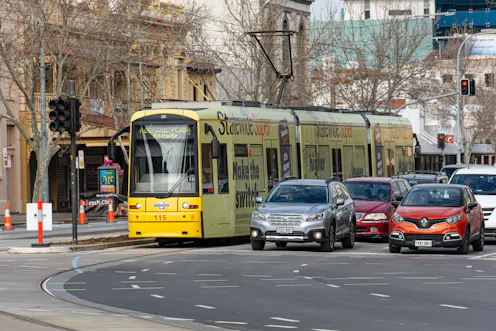 |
| Car owners’ attachment to driving and the willingness of others to switch from public transport could confound rosy predictions for autonomous vehicles. |
More efficient transportation would use less fuel. Urban spaces could be repurposed as parking needs virtually disappear.
But this utopian vision depends on a range of factors. In particular, these predictions largely rely on how current car drivers respond to the advent of autonomous vehicles.
Our research suggests people’s attitudes to driving and their cars could limit the predicted benefits to traffic flow and city efficiency, at least during the initial transition to driverless vehicles.
Read the story from The Conversation by a Senior Lecturer from the University of Adelaide, Raul A. Barreto - “How we feel about our cars means the road to a driverless future may not be smooth.”

No comments:
Post a Comment