Showing posts with label food chains. Show all posts

27 December, 2017

$180bn investment in plastic factories feeds global packaging binge

The global plastic binge which is already causing widespread damage to oceans, habitats and food chains, is set to increase dramatically over the next 10 years after multibillion-dollar investments in a new generation of plastics plants in the US.
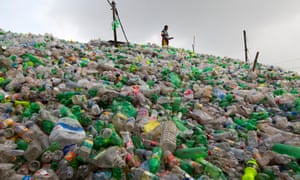
One million plastic bottles are bought around the world every minute, with most ending up in landfill or in the sea.
One million plastic bottles are bought around the world every
 minute, with most ending up in landfill or in the sea. Photograph:
Fossil fuel companies are among those who have ploughed more than $180bn since 2010 into new “cracking” facilities that will produce the raw material for everyday plastics from packaging to bottles, trays and cartons.
The new facilities – being built by corporations like Exxon Mobile Chemical and Shell Chemical – will help fuel a 40% rise in plastic production in the next decade, according to experts, exacerbating the plastic pollution crisis that scientist warn already risks “near permanent pollution of the earth.”


Read Matthew Taylor’s story on The Guardian - “$180bn investment in plastic factories feeds global packaging binge.”

18 May, 2012

Climafe change alerting the life of our plants and with that, ours too


Reuters reports that scientists are finding that plants are flowering much earlier because of climate change.

That change, Reuters reports in a story headed: Plant study flags dangers of warming world” will have a “knock-on” effect for food chains and eco systems.

Global warming is having a significant impact on hundreds of plant and animal species around the world, changing some breeding, migration and feeding patterns, scientists say.


Increased carbon dioxide concentration in the atmosphere from burning fossil fuels can affect how plants produce oxygen, while higher temperatures and variable rainfall patterns can change their behaviour.

"Predicting species' response to climate change is a major challenge in ecology," said researchers at the University of California San Diego and several other U.S. institutions, according to Reuters.