Showing posts with label generation. Show all posts

20 March, 2018

We need to change how we control energy, AEMC says.

The nation's power grid has managed to retain enough generation capacity to keep the lights on as coal generators have closed but its reliability is still too weak because energy infrastructure was not designed for recent influx of solar and wind energy.
Australia has the supply to keep up with
demand, but our grid is not up to the task.
The situation is laid out in the Australian Energy Market Commission’s latest annual electricity market performance report to be released on Tuesday.

In the Reliability Panel report, the AEMC warned the east coast energy network could become unstable as it made the transition from coal to more gas and renewable energy generation unless action was taken to change how the grid functioned.

Read Cole Larimer’s story from The Age - “We need to change how we control energy, AEMC says.

27 December, 2017

$180bn investment in plastic factories feeds global packaging binge

The global plastic binge which is already causing widespread damage to oceans, habitats and food chains, is set to increase dramatically over the next 10 years after multibillion-dollar investments in a new generation of plastics plants in the US.
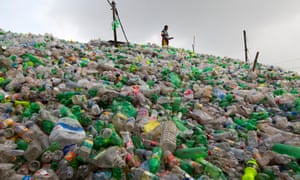
One million plastic bottles are bought around the world every minute, with most ending up in landfill or in the sea.
One million plastic bottles are bought around the world every
 minute, with most ending up in landfill or in the sea. Photograph:
Fossil fuel companies are among those who have ploughed more than $180bn since 2010 into new “cracking” facilities that will produce the raw material for everyday plastics from packaging to bottles, trays and cartons.
The new facilities – being built by corporations like Exxon Mobile Chemical and Shell Chemical – will help fuel a 40% rise in plastic production in the next decade, according to experts, exacerbating the plastic pollution crisis that scientist warn already risks “near permanent pollution of the earth.”


Read Matthew Taylor’s story on The Guardian - “$180bn investment in plastic factories feeds global packaging binge.”

01 September, 2017

Australia’s energy future on grid edge - can AMEO give it a push?

The Australian Energy Market Operator has again stressed the vital role that demand management solutions – and not more baseload coal – will play in the safe, stable and economic running of Australia’s electricity grid, as it transitions away from centralised fossil fuel generation and towards distributed renewables.

Speaking at an industry event in Melbourne on Thursday night, AEMO CEO Audrey Zibelman said that the key role of the market operator was to drive productivity of the system – “and the best way to drive productivity of the system was being able to get demand to participate.”

This “demand” Zibelman refers to is the multiple gigawatts – 6GW in small-scale renewables, alone – of energy generation capacity that has been installed by homes and businesses around the country, but that is currently “not visible” to the market operator, and therefore of little use in balancing the grid.

Zibelman wants to change that, and firmly believes that by using non-network solutions to help manage this behind-the-meter capacity, Australia’s grid can make an ‘orderly transition’ to renewables and deliver secure, reliable and affordable energy.


“Read Sophje Vorrath’s story on RenewEconomy  - “Australia’s energy future on grid edge - can AMEO give it a push?

01 May, 2015

Emulating Diggers' sacrifice to tackle climate change


S

ydney Morning Herald essayist Elizabeth Farrelly discusses here her views about Anzac Day and its connections to climate change.

“This year, as fate had it, Anzac Day raised to our health two brimming goblets of sacrifice – Gallipoli and climate change. Sacrifice past, sacrifice future. In the
morning, the first had us ambling along sunny streets, basking in our Australianness. But by afternoon, the second had us scrambling for protection from freak storms and adamant hail.

“Neither of the sacrifices implied is our own. One is our grandfathers' generation; the other will be our grandchildren's. Yet in both cases we are the beneficiaries. And although one sacrifice we recognise, with the reverence of religion, the other frightens us so profoundly we can barely bring ourselves to peek from behind the couch.” she writes.

11 April, 2013

Nuclear power - powerful energy source, powerful reactions


The idea of nuclear power always ignites profuse, and sometime violent, reactions.

A nuclear power plant.
However, it has been argued that if we are serious about reducing our carbon dioxide emissions, then it is time to embrace nuclear power.

A Professor of Climate Science, Barry Brook, and a Professor of Climatology, Tom Wigley, have argued for a new global movement in support of nuclear energy.

Writing on The Conversation in an article headed: “Serious about emissions? It’s time to embrace nuclear”, the paid said it was time the fossil-fuel-dominated energy was on the way into the environmental history books.

“There still exists a widely held belief that expanding electricity generation from nuclear fission poses a comparable or greater threat than climate change. This is a gross miscalculation of risk,” they said.